Understanding what to expect at your first CPR class involves preparing for a mix of video demonstrations, instructor-led lectures, and hands-on practice using medical manikins. These sessions typically last between two and four hours and cover life-saving skills like chest compressions, rescue breathing, and AED operation. Students should wear comfortable clothing for the physical components; the course often concludes with a skills assessment to ensure certification readiness.
Walking into your first medical certification course often feels like entering a high-stakes environment where you are expected to perform flawlessly under pressure. Many participants arrive at our South Carolina training centers with a tight chest; not from a cardiac event, but from the looming fear that they might fail the skills test or feel out of place among experienced providers. This apprehension is natural because life-saving skills carry immense weight, yet professional training is intentionally designed to transform that nervous energy into clinical confidence. Mastery of high-quality compressions and AED operation is a matter of disciplined muscle memory and expert instruction rather than innate medical talent. In this guide, we will demystify the entire process from your arrival in Trenton to the final certification hand-off. You will learn how to prepare, what the hands-on practice entails, and how we dismantle the common myths that often deter people from acting during a crisis.
Why Taking Your First CPR Class is a Game Changer
Choosing to sign up for life-saving training is a significant step toward protecting your family, friends, and neighbors. In the United States, approximately 350,000 cardiac arrests occur outside of a hospital setting every year. These moments are critical; research shows that immediate bystander CPR can double or even triple a victim's chance of survival. By learning these skills, you transition from a bystander to a potential lifesaver.
Many people feel a bit of nervous anticipation when considering what to expect at your first CPR class. It is common to worry that the material will be too technical or that the environment will be strictly clinical. At T.A.T.E Institute in Trenton, South Carolina, we prioritize a supportive, welcoming atmosphere. Our instructors design every AHA Heartsaver CPR course and Basic Life Support (BLS) training session for beginners and professionals alike. You do not need a medical background to succeed here. We are your local partners in safety, dedicated to ensuring you leave our classroom feeling confident and prepared rather than overwhelmed. Mastering these skills is a practical way to empower yourself, and we are honored to guide you through the process.
What to Wear and What to Bring to Your Training Session
Preparing for your session starts with choosing the right attire. Because high-quality chest compressions require proper leverage and positioning, you will spend a significant portion of the class kneeling on the floor next to a manikin. Choose comfortable, movement-friendly clothing like athletic wear, scrubs, or flexible pants. Avoid restrictive garments or short skirts that might limit your range of motion during practice.
Footwear is equally important for stability and safety. Wear flat, closed-toe shoes, such as sneakers, to maintain a firm stance. These provide the necessary grip while you master the rhythm of Basic Life Support (BLS) training techniques. Proper shoes ensure you are balanced and comfortable as you practice the physical repetitions necessary for certification.
Regarding personal items, bring a water bottle to stay hydrated and a notebook if you prefer taking manual notes on specific techniques. For longer certification tracks, a light snack is helpful for maintaining energy levels during the session. At T.A.T.E Institute, we provide all the specialized equipment you need, including manikins, AED trainers, and hygienic barriers. You only need to bring yourself, your identification, and a positive attitude. If you have questions about costs before arriving, you can review our CPR training pricing online. This preparation ensures you can focus entirely on the hands-on skills that define what to expect at your first CPR class.
The Anatomy of a CPR Class: From Arrival to Certification
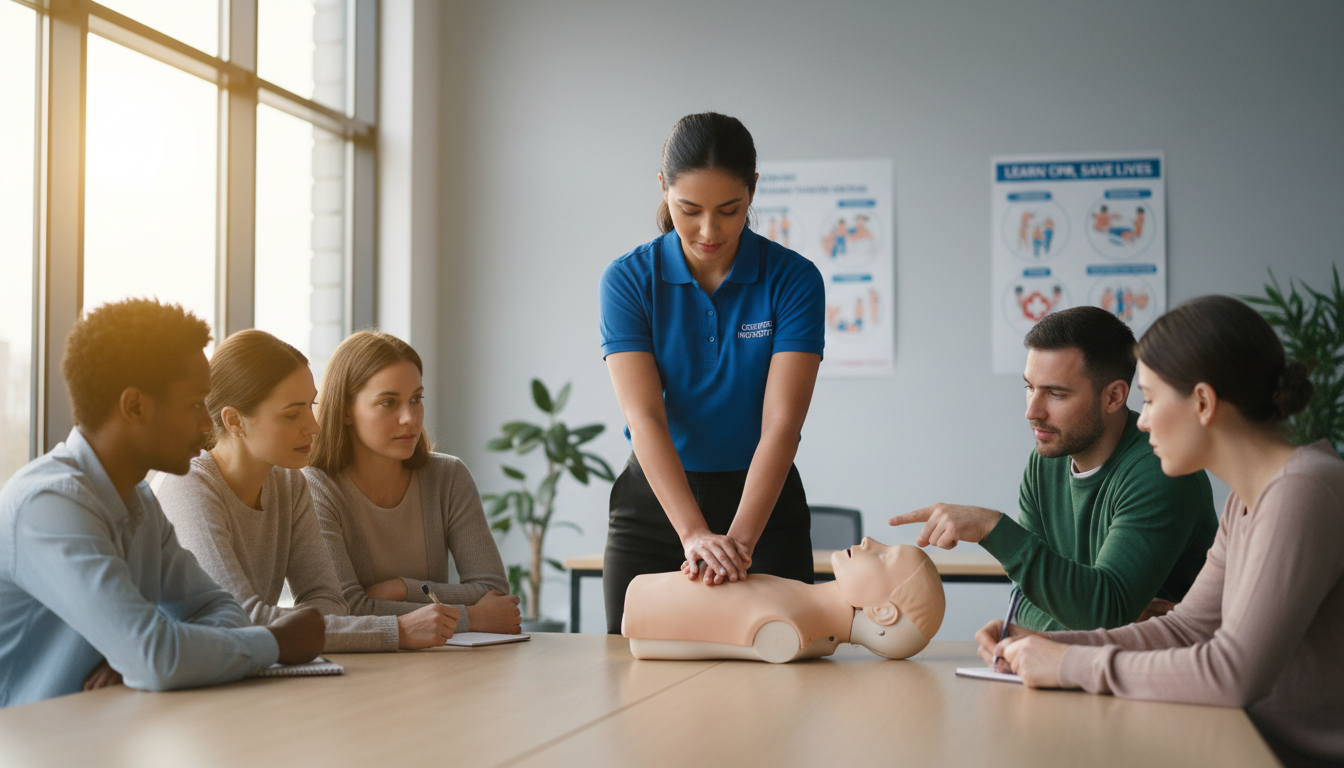
Understanding the timeline of your session helps remove the mystery of what to expect at your first CPR class. Most certification courses at T.A.T.E Institute last between two and four hours, depending on whether you are enrolled in an AHA Heartsaver CPR course for the general public or more advanced Basic Life Support (BLS) training for healthcare providers. The schedule is structured to move you from theory to action through four distinct phases.
Orientation and Introduction: Upon arrival at our Trenton classroom, you will meet your instructor and complete the sign-in process. This initial phase sets the tone for the day, allowing you to get comfortable with the training space and the tools you will use.
Video Lessons: Training follows the latest American Heart Association (AHA) standards. High-quality video segments provide clear, visual examples of cardiac emergencies. These modules ensure that every student receives consistent, evidence-based information regarding life-saving protocols.
Instructor Demonstrations: Your instructor will supplement the video material by performing techniques in real-time. This allows you to see the correct depth of chest compressions and the proper handling of an AED from multiple angles, bridging the gap between watching a screen and physical application.
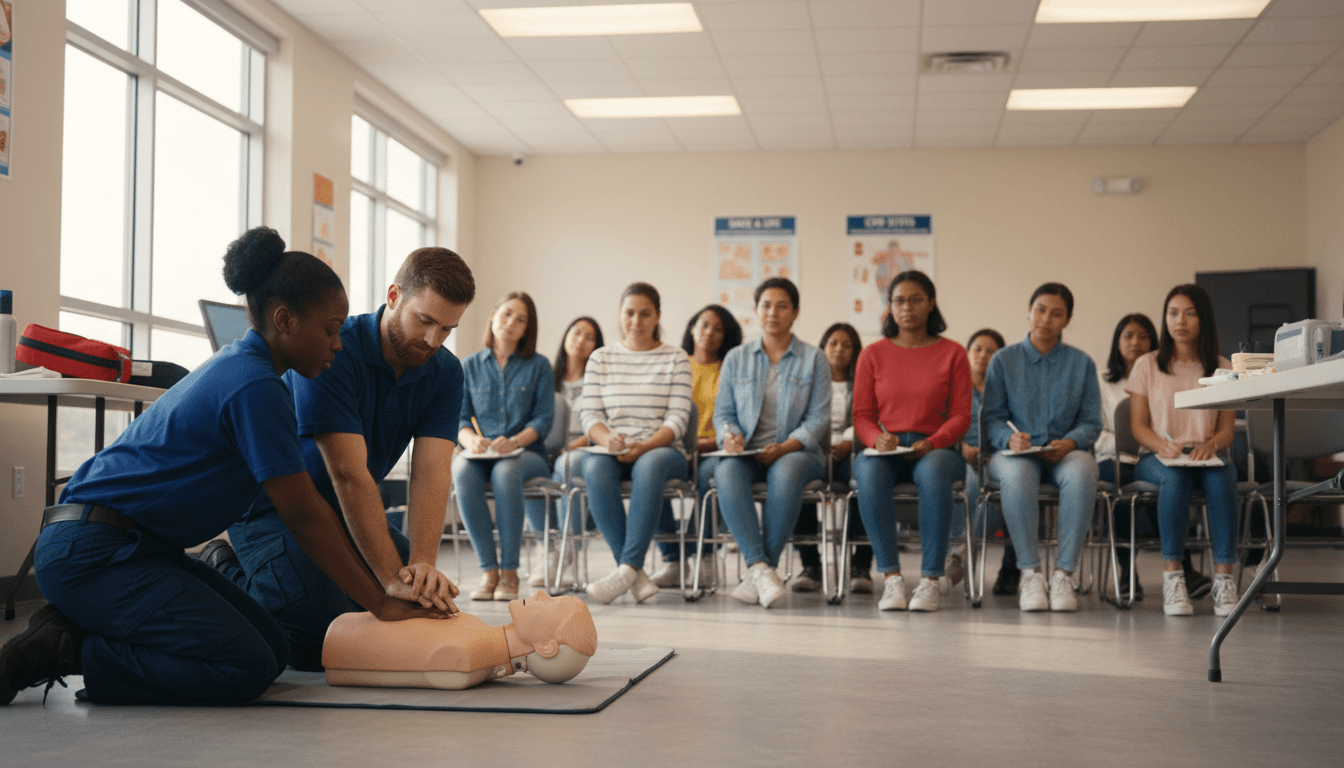
Hands-on Practice: This is the core of the session. We utilize the practice-while-watching method, where you perform the skills on a manikin simultaneously with the instruction.
This active participation is specifically designed to build muscle memory. By physically repeating the motions while receiving immediate guidance, your hands learn the rhythm and pressure required for effective CPR. Our Trenton facility is a judgment-free zone where no question is a bad question. We encourage students to speak up if a specific hand placement feels awkward or if a step in the process needs clarification. This supportive environment ensures that by the time you reach the certification stage, the skills feel like a natural response rather than a complex list of instructions.
Is the CPR Class Hard? Overcoming Test Anxiety
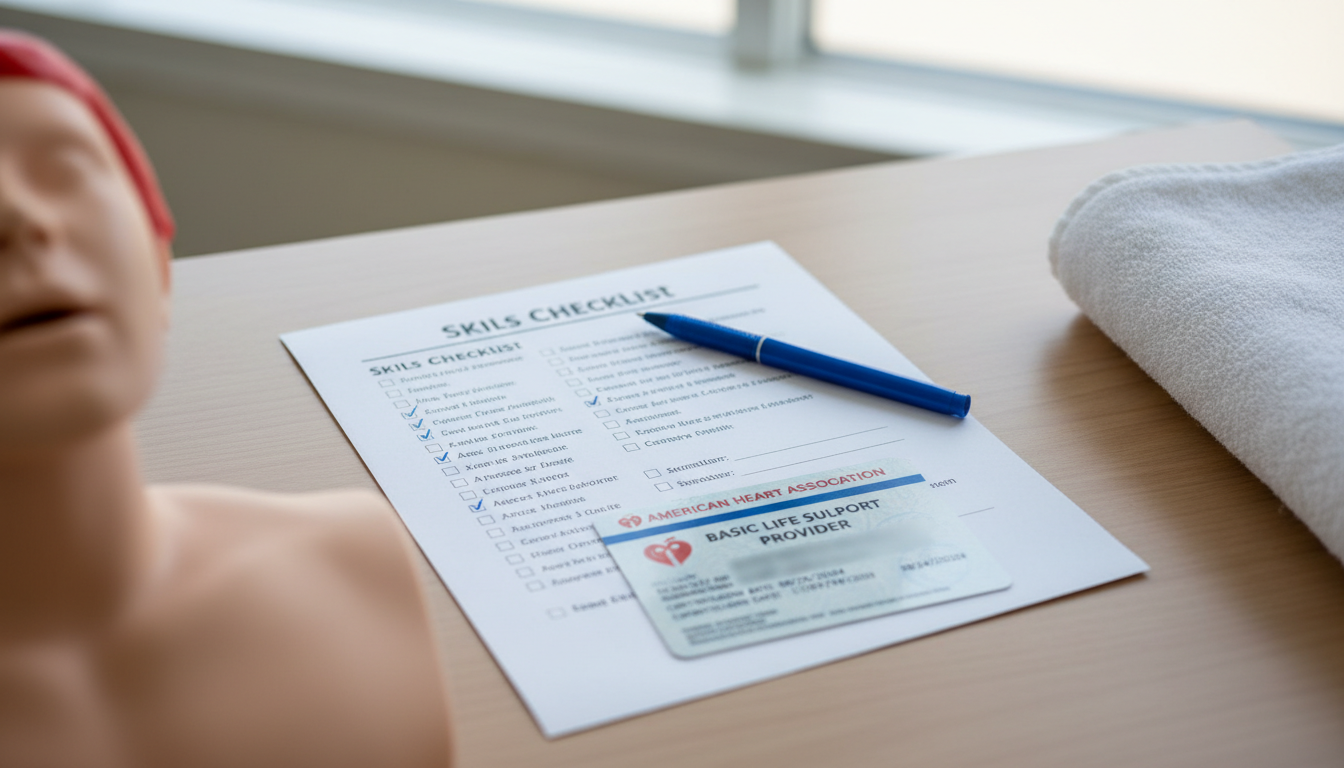
A common concern for many first-time students is whether a CPR class is hard to pass. The short answer is no. The primary goal of your instructor is to ensure you leave the classroom with the competence and confidence to save a life, not to catch you in a mistake. Certification programs are structured to set you up for success through repetitive, hands-on coaching that builds your skills gradually.
The final evaluation consists of two parts: a skills demonstration and, for certain courses, a written exam. The skills test is not a high-pressure performance; it is simply a chance for you to show the instructor exactly what you have been practicing during the session. If you can perform compressions and use an AED trainer during the practice phase, you are already prepared for the evaluation. For those enrolled in Basic Life Support (BLS) training, there is a written portion. This exam is multiple-choice and focuses directly on the core concepts covered in the video modules and class discussions. Most students find that if they stay engaged during the videos and instructor demonstrations, the answers are straightforward.
At T.A.T.E Institute, we recognize that test anxiety is real. Unlike large, impersonal corporate training centers where you might feel like just another number in a crowded room, our Trenton classroom offers a supportive, community-focused environment. We take the time to answer questions and provide individual feedback until you feel steady in your technique. We are invested in our South Carolina neighbors, and our priority is making sure you feel empowered by your new skills rather than intimidated by the process.
Hands-On Skills You Will Master: Compressions and AED Use
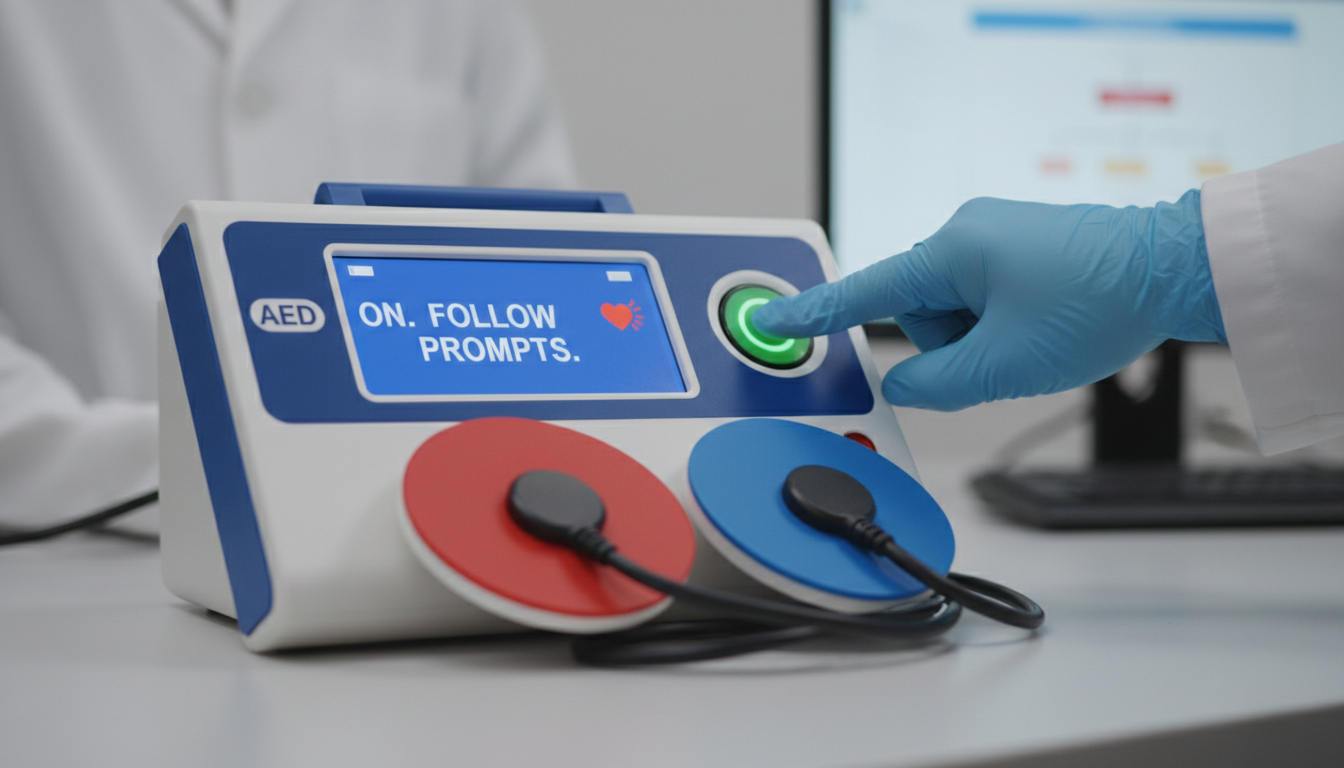
Transitioning from the classroom discussion to the physical application is where the real learning happens. You will start by mastering high-quality chest compressions, which are the foundation of cardiac arrest response. Correct hand placement involves interlacing your fingers and positioning the heel of your hand on the lower half of the breastbone. For an adult, you must push to a depth of at least two inches and maintain a steady rate of 100 to 120 beats per minute. Learning these Hands-Only CPR steps ensures you can maintain a victim's blood flow until professional help arrives, which significantly increases the odds of a positive outcome.
You will also gain experience with an Automated External Defibrillator (AED). This device is designed to be used by anyone, as it provides clear, step by step voice prompts that guide you through the entire process. The AED handles the complex task of analyzing the heart's rhythm and will only advise a shock if it is medically necessary for the patient's survival. You do not need to be a technology expert to operate one; you simply need to follow the machine's vocal instructions.
At T.A.T.E Institute, we provide ample time to practice on manikins so you can get a feel for the resistance of the chest and the rhythm of the machine. This hands-on repetition is a vital part of what to expect at your first CPR class, as it builds the muscle memory and confidence required to act decisively. Completing these exercises in an AHA Heartsaver CPR course or Basic Life Support (BLS) training equips you with a reliable set of skills to protect your Trenton neighbors.
Addressing Common Fears: The Bra Myth and Other Concerns
One specific concern often surfaces during Basic Life Support (BLS) training: how to handle modesty and clothing during a rescue. A common question is whether you must remove a woman’s bra before performing CPR or using an AED. To ensure the life-saving shock is delivered effectively, AED pads must be placed on bare skin. This requires removing any clothing, including bras, that interferes with the placement of the pads on the upper right and lower left side of the chest. Metal underwires can also create a risk of burns if left in place during the shock.
While these steps are medically necessary, they are performed with the sole intent of saving a life. Understanding this clinical requirement is a key part of what to expect at your first CPR class. To provide peace of mind, it is important to remember the South Carolina Good Samaritan Law. This legislation protects bystanders who provide emergency assistance in good faith; it ensures you can act decisively without the fear of legal repercussions. Both the AHA Heartsaver CPR course and our professional tracks focus on the practical reality that saving a life takes precedence over temporary discomfort.
Understanding the Different Course Options
Choosing the right curriculum ensures your certification meets specific workplace or personal requirements. For Trenton residents, teachers, and fitness instructors, the AHA Heartsaver CPR course is typically the best fit. This track focuses on core life-saving skills for the general public, including AED operation and relief of choking. It provides a solid foundation for anyone who wants to be prepared for an emergency at home or in the office.
Healthcare professionals, such as nurses, dental hygienists, and emergency responders, require Basic Life Support (BLS) training. This course is more technical; it covers advanced topics like two-rescuer coordination, bag-mask ventilation, and rapid assessment. T.A.T.E Institute serves our entire South Carolina community by offering both pathways. You can review our CPR training pricing to find the session that aligns with your professional needs or your goal of protecting your family. We are here to help you navigate these options so you arrive at your first class with total confidence.
Starting your journey toward CPR certification is a significant step in protecting your South Carolina community. While the process involves learning new skills, the environment is designed to be supportive and educational. If you want expert help mastering these essential techniques, we offer a variety of professional training options. Feel free to browse our available services to see how we can assist with your certification. Taking this next step ensures you are fully prepared for any emergency.