Effective opioid overdose first aid naloxone administration involves calling 911, administering the medication immediately, and providing rescue breathing to restore oxygen. It is also critical to place the individual in the recovery position and stay with them until emergency services arrive; these steps are vital for preventing fatalities.
In the wake of a worsening public health crisis, many South Carolina families face the paralyzing fear of witnessing an opioid overdose without the knowledge to intervene. This uncertainty is not just stressful; it is dangerous when every second determines a clinical outcome. At T.A.T.E Institute, we believe that clinical expertise should be accessible to every household. This guide transforms that fear into actionable skill by detailing the specific protocols for first aid response. You will learn to identify the subtle signs of respiratory distress, master the administration of Narcan nasal spray, and understand the vital mechanics of rescue breathing. We also clarify the integration of CPR and provide essential context on the South Carolina Good Samaritan Law. This is your roadmap to becoming a decisive, prepared responder in the moments that matter most.
Understanding the Opioid Crisis and Your Role as a First Responder
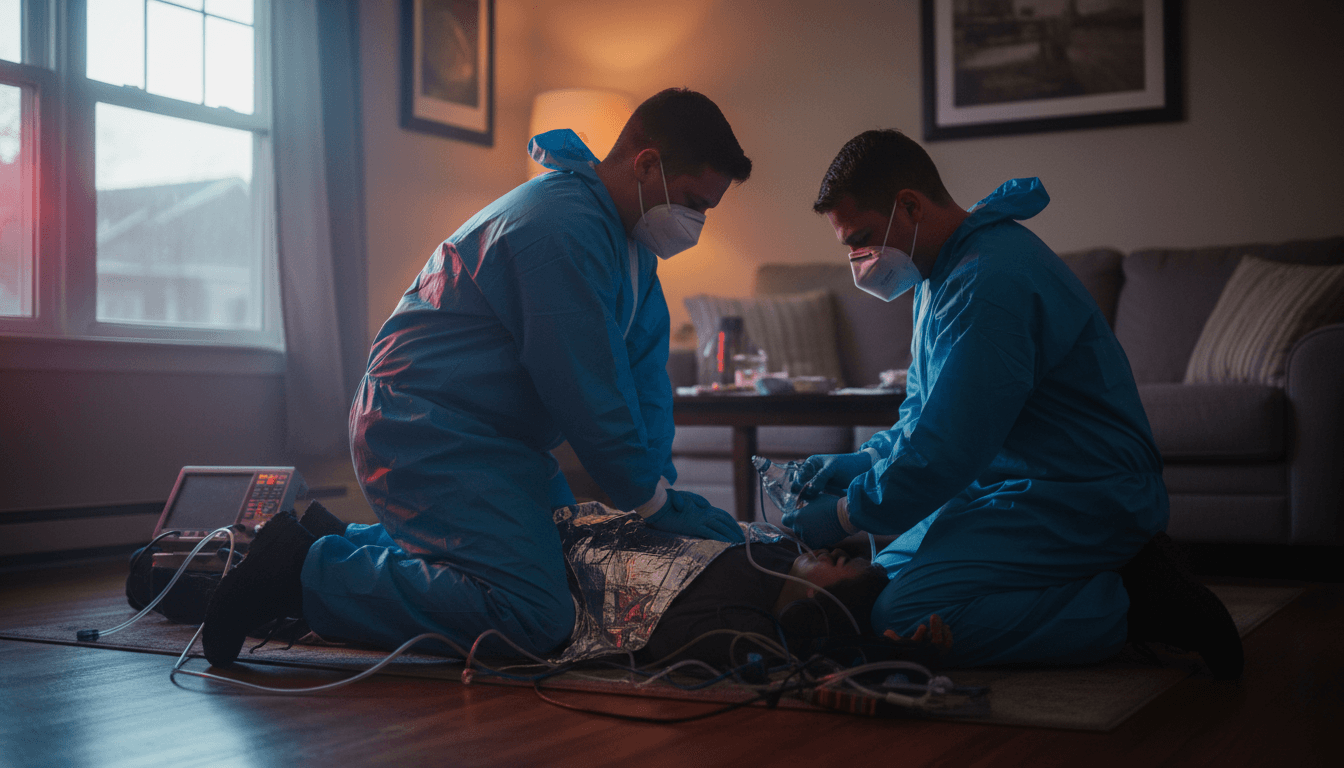
The opioid crisis has reached every corner of South Carolina, transforming quiet living rooms into emergency scenes. Family members and friends are statistically the most likely to be present when an overdose occurs. Because professional medical help can be minutes away, your ability to intervene determines the outcome. An opioid overdose is essentially a state of severe respiratory depression; the substances overwhelm the brain’s receptors responsible for the drive to breathe. Without immediate intervention, the heart stops because the body is starved of oxygen.
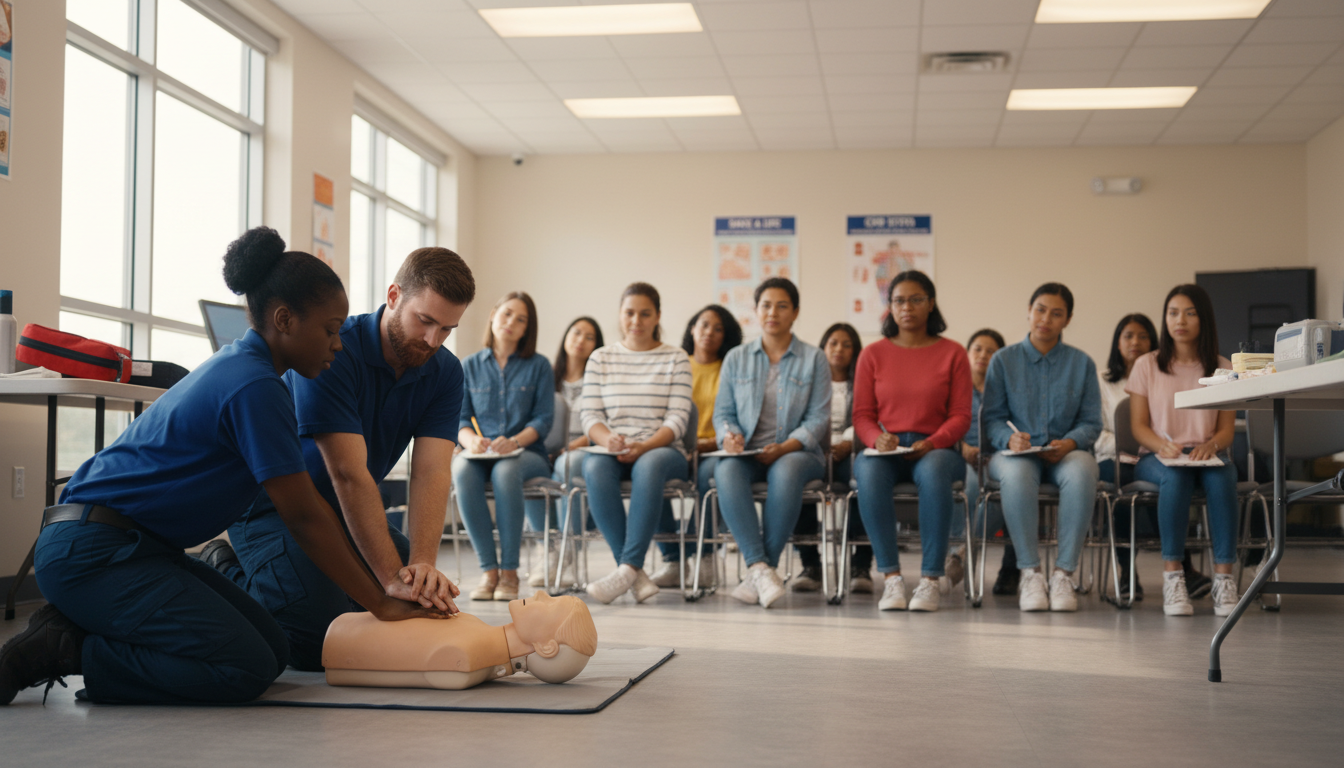
At T.A.T.E Institute, we recognize that you do not need a medical degree to save a life. While we offer Basic Life Support training for clinicians, our mission is to empower everyday citizens with practical skills. Understanding opioid overdose first aid naloxone protocols allows a bystander to reverse the effects of the drug long enough for emergency services to arrive. Attending a Heartsaver® Basic CPR course or a hands-on skills session ensures that when a crisis hits your home, muscle memory takes over. Immediate action is the critical bridge between a medical emergency and a successful recovery, starting with the ability to identify the emergency as it happens.
Recognizing the Signs of an Opioid Overdose
Recognizing a crisis begins with observing the body's physical response to respiratory failure. When an opioid overwhelms the system, the person will not just be asleep; they will be unresponsive to noise or touch. Look closely at their eyes. One of the most distinct signs of an opioid overdose is pinpoint pupils, where the black centers of the eyes become tiny, fixed dots that do not react to light.
Next, observe their coloring and muscle tone. The skin may feel cold and clammy to the touch. Because the body is struggling for oxygen, the lips and fingernails often turn a telltale blue, purple, or grayish hue. The person’s limbs will appear completely limp, as if they have no skeletal support. You might also hear a specific, heavy snoring or gurgling sound, often referred to as the death rattle. This is not the sound of a deep sleep; it is the sound of an obstructed airway and failing lungs.
If you suspect an overdose, you must attempt to wake the person using a sternum rub. Ball your hand into a fist and use your knuckles to rub firmly and vigorously up and down the center of their chest, directly on the breastbone. This is a painful stimulus intended to trigger a physical reaction. If the person does not moan, pull away, or open their eyes, you are facing a medical emergency. In this high pressure moment, having practiced these steps in a hands-on skills session can help you stay calm while you prepare to administer opioid overdose first aid naloxone protocols.
Step by Step First Aid for Opioid Overdose
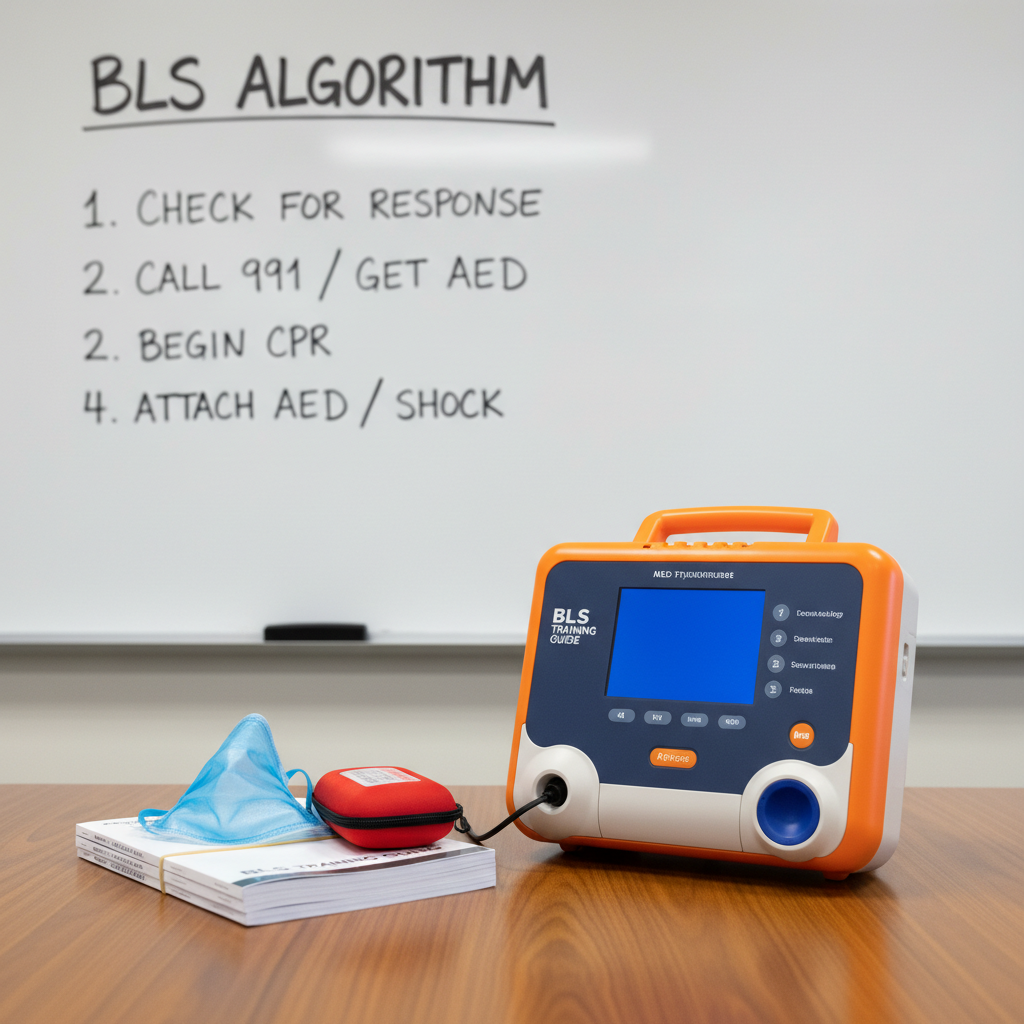
Once you have identified the symptoms of an overdose and performed a sternum rub without a response, you must move immediately through a specific sequence of life saving actions. Timing is the most significant factor in preventing permanent brain damage or death during respiratory failure. Following a structured protocol ensures that you address both the chemical cause of the emergency and the physical lack of oxygen.
Check for Response. Attempt to wake the individual by shouting their name and using physical stimulation. If the sternum rub mentioned previously does not produce a moan, a flinch, or any eye movement, you must assume they are in a life threatening state.
Call 911. When speaking to the dispatcher, be direct. Use the specific phrase, "I have an unresponsive person who is not breathing." This language ensures the call is categorized correctly for the fastest possible response.
Administer Naloxone. If you have access to Narcan or a generic nasal spray, use it immediately. This is the cornerstone of opioid overdose first aid naloxone protocols. You do not need to wait for a medical professional to arrive to provide this life saving medication.
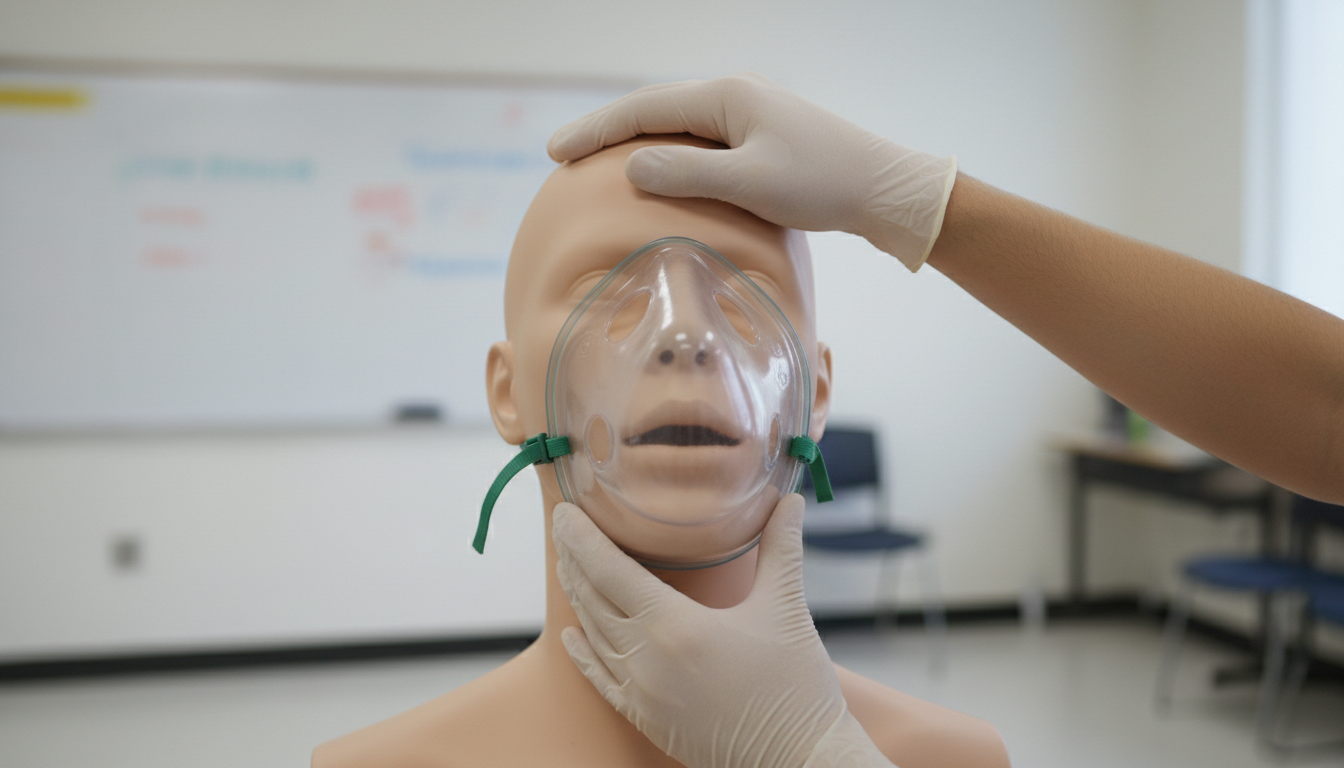
Support Breathing. If the person is not breathing, you must act as their lungs. Tilt the head back, pinch the nose, and provide one rescue breath every five seconds to maintain oxygen levels.
Perform CPR if No Pulse. Check for a pulse on the side of the neck. If no pulse is detected, begin chest compressions. While rescue breaths provide oxygen, CPR is required to circulate that oxygenated blood to the brain. For those unfamiliar with the rhythm and depth needed, a Heartsaver® Basic CPR course provides the necessary practice.
Re-evaluate and Repeat. Wait two to three minutes. If the person has not started breathing normally, administer a second dose of naloxone. High potency synthetic opioids often require multiple doses to be effectively countered.
Place in Recovery Position. Once the person begins breathing on their own, roll them onto their side with their top leg bent. This keeps their airway clear and prevents choking if they vomit, which is a frequent reaction to naloxone.
Even if the person wakes up and feels fine, you must wait for emergency services to arrive. In South Carolina, naloxone is considered a temporary bridge; it can wear off in as little as 30 minutes, potentially allowing the person to slip back into a fatal overdose. Mastering these steps in a hands-on skills session ensures that you can act with confidence when every second counts.
How to Use Narcan Nasal Spray Correctly
Narcan nasal spray is the standard tool for families because it requires no needles or medical assembly. To use it, remove the device from the box and peel back the tab. Do not "test" or prime the device by pressing the plunger before it is in the nose; each unit contains only one dose, and a test spray will waste the life saving medication.
First, support the person’s neck and tilt their head back to clear the nasal passage. Place your thumb on the bottom of the plunger and your first two fingers on either side of the nozzle. Insert the tip of the nozzle into one nostril until your fingers touch the bottom of the person's nose. Press the plunger firmly to release the full dose. The medication is absorbed through the nasal mucosa, which means it is effective even if the person has stopped breathing. Mastering this mechanical skill during a hands-on skills session ensures that you can execute these opioid overdose first aid naloxone steps without hesitation during a high pressure crisis.
Naloxone Rescue Breathing and the Recovery Position
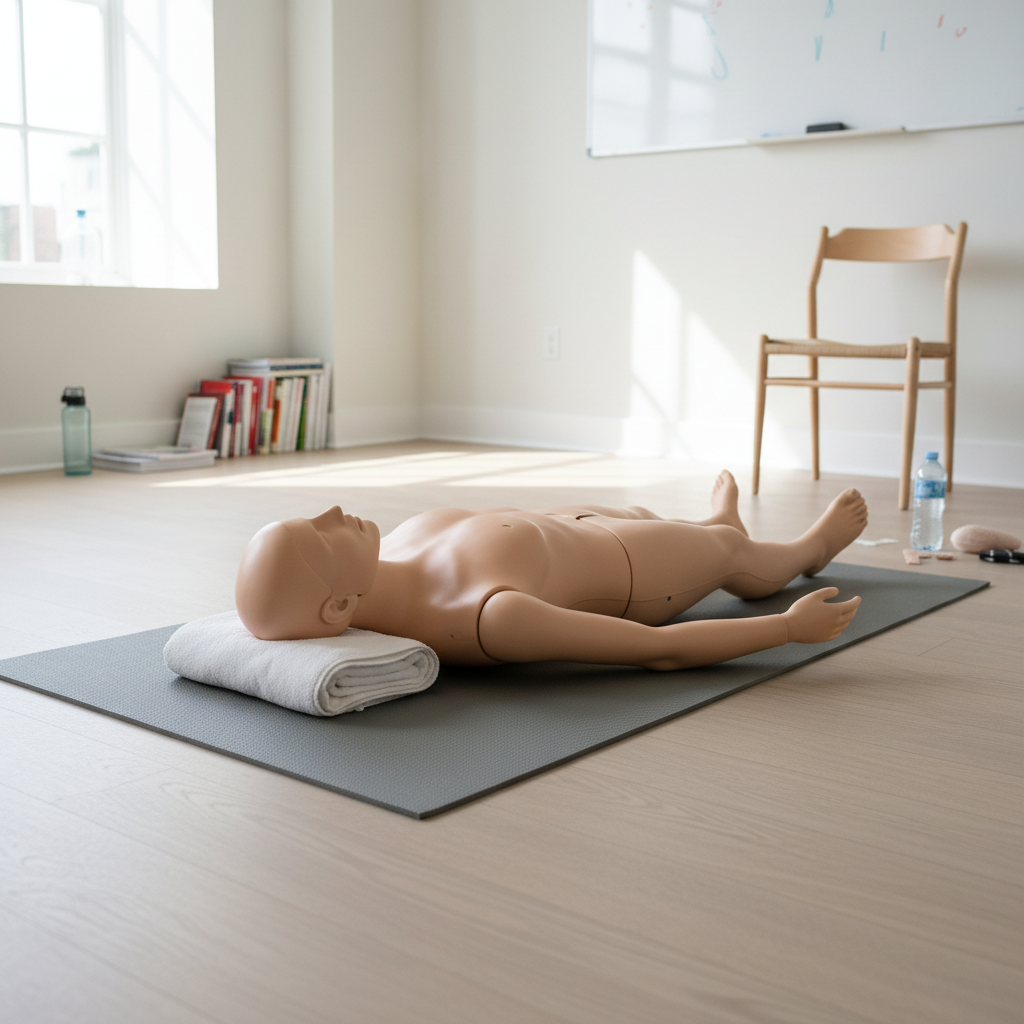
Once the nasal spray is administered, your focus must shift to maintaining the person's oxygen levels. This process, known as naloxone rescue breathing, is a vital component of opioid overdose first aid naloxone protocols. Because the opioids have suppressed the brain's respiratory drive, you must breathe for them until the medication takes effect. To do this, ensure the person is on their back, tilt the head back to open the airway, and pinch the nose shut. Give one breath every five seconds, watching for the chest to rise. This priority on ventilation differs from standard cardiac arrest, where chest compressions are the primary focus. In an opioid crisis, the heart often still beats for several minutes after breathing stops, making these breaths a critical lifeline.
As the person begins to breathe or if you must wait for emergency responders to arrive, place them in the recovery position. Roll the person onto their side and fold the top leg at a right angle to stabilize their body. Rest their head on their arm to keep the airway open. This position is critical because naloxone administration often triggers immediate physical withdrawal, which frequently includes vomiting. The recovery position prevents the individual from choking or inhaling fluids into their lungs, a common complication during a reversal. Practicing these physical transitions in a hands-on skills session ensures you can manage the physical requirements of a rescue without hesitation.
Do You Do CPR or Naloxone First?
Determining whether to start chest compressions or administer medication depends entirely on the victim's pulse. If the person is not breathing but still has a detectable pulse, your primary objective is restoring respiration through rescue breathing and the immediate use of naloxone. However, if the individual is unresponsive, not breathing, and lacks a pulse, cardiac arrest has occurred. In this scenario, high quality CPR is the immediate priority to manually circulate blood to the brain and vital organs.
Administer the nasal spray as soon as it is physically available, but it must not replace or significantly delay life support measures for more than a few seconds. If you are alone, initiate CPR first. If a second rescuer is present, they should administer the medication while you continue compressions. While restoring the drive to breathe is the goal in opioid emergencies, the medication cannot circulate to the brain if the heart has stopped. Practicing these high stakes decisions in a hands-on skills session is vital. Completing a Heartsaver® Basic CPR course ensures you can maintain circulatory support while the opioid overdose first aid naloxone protocol works to reverse the respiratory depression.
South Carolina Good Samaritan Law and Naloxone Access
The South Carolina Overdose Prevention Act exists to remove the fear of legal repercussions that can paralyze a bystander. This law protects individuals who seek medical assistance for themselves or others during an overdose. If you call 911 or provide immediate assistance, you are generally granted immunity from prosecution for certain drug crimes, such as the possession of controlled substances or drug paraphernalia. This legal shield ensures that saving a life remains the absolute priority.
Access to the medication is just as critical as legal protection. In South Carolina, a standing order allows you to obtain naloxone at many local pharmacies without a personal prescription from a doctor. You can simply visit the pharmacy counter to purchase a kit for your home first aid supplies. While having the medication is the first step, knowing how to integrate it into an opioid overdose first aid naloxone protocol is what changes the outcome. Attending a hands-on skills session at T.A.T.E Institute helps you bridge the gap between owning a kit and knowing how to deploy it effectively. Our goal is to ensure every member of our community feels legally secure and clinically prepared to respond when every second counts.