A heart attack is a circulation problem caused by blocked blood flow to the heart, whereas cardiac arrest is an electrical issue that causes the heart to suddenly stop beating. While they are distinct conditions, a heart attack can often trigger a cardiac arrest. Distinguishing between cardiac arrest vs heart attack is essential for providing the correct emergency response and saving lives.
In a high stakes medical emergency, clarity is the most valuable tool in your arsenal. Many individuals use the terms heart attack and cardiac arrest interchangeably; however, failing to distinguish between a circulatory failure and a sudden electrical malfunction can lead to critical delays in life saving intervention. Seconds determine long term survival outcomes. This guide provides a definitive technical breakdown of the plumbing versus electricity paradigm, ensuring you can identify the specific symptomatic profiles of each event. You will learn the exact protocols for responding to both conditions, the nuances of patient pain, and how these emergencies differ from stroke or heart failure. By internalizing these distinctions, you move beyond basic awareness toward the clinical precision required to save a life when every heartbeat counts.
Understanding the Core Difference: Plumbing vs Electricity
People often use the terms interchangeably, but understanding the distinction between cardiac arrest vs heart attack is critical for a proper emergency response. To keep it simple, medical professionals often use a household analogy: a heart attack is a plumbing problem, whereas sudden cardiac arrest is an electrical problem.
A heart attack occurs when blood flow to a part of the heart is blocked. This is a circulation issue. Just like a clogged pipe, a clot or buildup prevents oxygen rich blood from reaching the heart muscle. If the blockage isn't cleared quickly, that part of the heart begins to die. Crucially, during a heart attack, the heart usually continues to pump blood throughout the body, and the person remains conscious.
Sudden cardiac arrest is different. This is an electrical malfunction where the heart’s internal timing system fails, causing it to stop beating unexpectedly. When the heart stops pumping, blood no longer reaches the brain, lungs, or other organs. Within seconds, the person loses consciousness and has no pulse. While a heart attack is a serious medical emergency, cardiac arrest is an immediate life threat because the body’s entire support system has shut down.
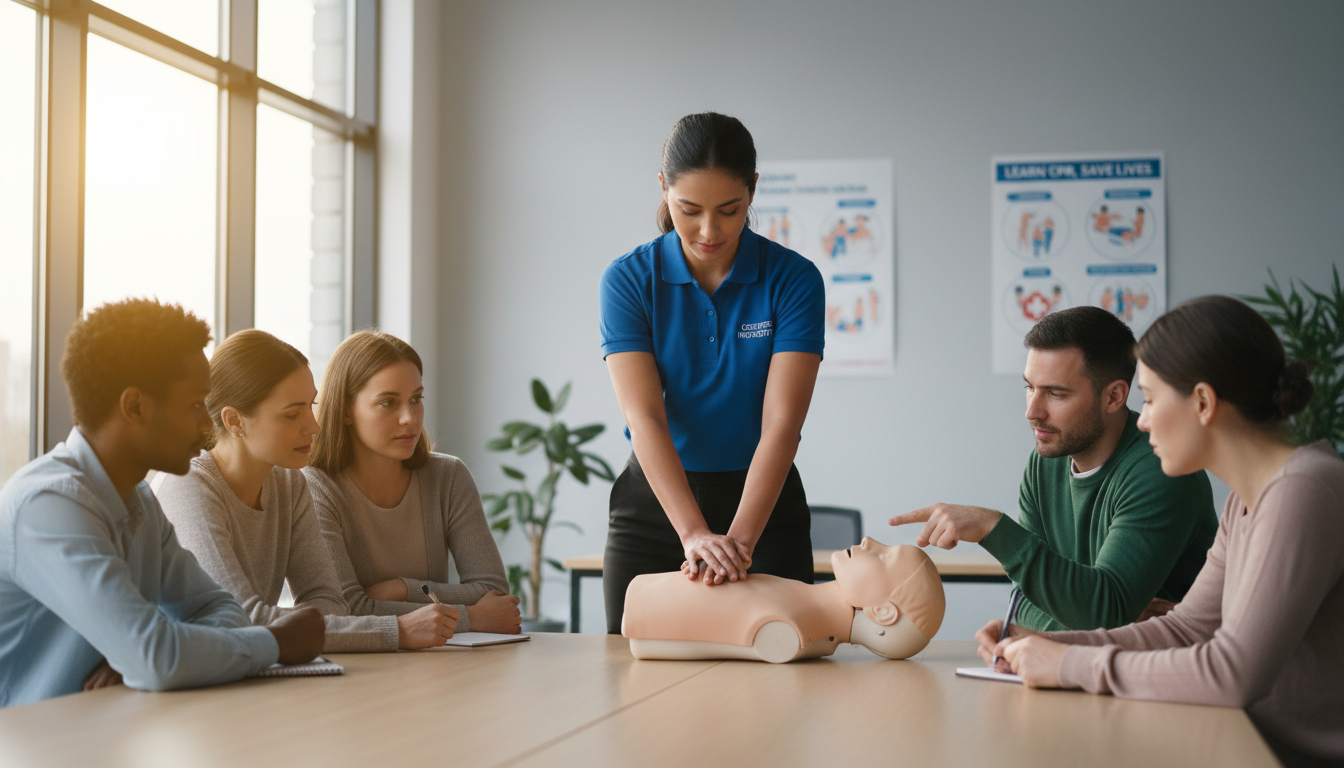
It is important to note that these two conditions are linked. While they have different causes, a heart attack is a common trigger for cardiac arrest. Managing these risks effectively starts with education. Enrolling in CPR and first aid courses helps you recognize these subtle but vital differences, ensuring you know exactly how to respond when every second counts.
Signs and Symptoms of a Heart Attack
Recognizing the early warning signs of a heart attack can save a life before the situation escalates. When comparing cardiac arrest vs heart attack, a primary indicator is that the victim is typically still talking or conscious during a heart attack. Because it is a circulation issue rather than an electrical one, the heart is still pumping blood, meaning the person is still breathing even if they are in significant pain.
Common symptoms include: - Chest discomfort that feels like uncomfortable pressure, squeezing, fullness, or pain in the center of the chest. - Pain or discomfort in one or both arms, the back, neck, jaw, or stomach. - Shortness of breath, which may occur with or without chest discomfort. - Breaking out in a cold sweat, nausea, or lightheadedness.
Gender plays a significant role in how these symptoms manifest. While both men and women most commonly report chest pain, women are more likely than men to experience symptoms that seem unrelated to the heart. These include extreme fatigue, nausea, vomiting, and back or jaw pain. Because these signs can be subtle, they are sometimes mistaken for less serious issues like acid reflux. Identifying these variations is a core component of Heartsaver CPR classes, where we teach responders to look beyond the classic clutching the chest scenario to ensure a fast response.
Recognizing Sudden Cardiac Arrest: The Three Immediate Signs
While a heart attack victim may be awake and describing their discomfort, sudden cardiac arrest presents with a dramatic and immediate shift in physical status. Because the electrical malfunction stops the heart instantly, the brain is deprived of blood flow, leading to a total system shutdown within seconds. Understanding the signs of sudden cardiac arrest involves looking for the 'big three' clinical indicators:
Sudden loss of consciousness: The individual will collapse without warning and will not respond to being tapped on the shoulder or shouted at.
Absence of normal breathing: The person will stop breathing or may only exhibit agonal gasping. These infrequent, labored snorts or moans are often mistaken for normal breathing, but they are actually a reflex of a dying brain and require immediate intervention.
No pulse: The heart has physically stopped pumping blood, meaning a pulse will be absent.
In the context of cardiac arrest vs heart attack, the level of awareness is the primary differentiator. A heart attack patient is typically awake and talking, even if they are in extreme pain. Conversely, a cardiac arrest victim is unresponsive and requires immediate action. Recognizing these signs accurately is a skill we refine through certified Basic Life Support training, ensuring responders can distinguish between a conscious patient in distress and a victim in need of immediate resuscitation.
Which is More Serious: Heart Attack or Cardiac Arrest?
When weighing cardiac arrest vs heart attack, the reality is that both are major medical emergencies, but cardiac arrest is more immediately life threatening. During a heart attack, the heart is still beating and supplying some oxygen to the body. In contrast, cardiac arrest represents a total cessation of blood flow. When the heart stops, the brain and other vital organs are instantly deprived of oxygen. Brain damage can begin in as little as four minutes; the window for successful resuscitation closes rapidly with every passing second.
In South Carolina communities, the 'minutes matter' principle is particularly relevant. Because EMS response times may vary depending on your specific location in the county, the victim’s survival often depends on the person standing next to them. This is why gaining hands on experience through CPR and first aid courses is so critical. Understanding that cardiac arrest requires an instant, aggressive response ensures you do not waste precious time when a neighbor or loved one’s life is on the line.
What to Do During a Heart Attack
Since minutes are vital when managing the distinction between cardiac arrest vs heart attack, you must act decisively even if the person is still conscious. If you suspect a heart attack, call 911 immediately. Do not attempt to drive the victim to the hospital yourself, as paramedics can begin life saving treatment in the ambulance.
While awaiting EMS , follow these steps: 1. Have the person sit or lie down in a comfortable position to reduce physical strain on the heart muscle. 2. Keep the individual calm and loosen any tight clothing around the neck or waist to aid breathing. 3. Only provide aspirin if explicitly directed by the 911 dispatcher and if the person has no known allergies or contraindications. 4. Stay with the victim and monitor for any sudden change in status.
The primary risk during these moments is that a circulation blockage will trigger an electrical malfunction. Continuous monitoring is essential because a person in the middle of a heart attack can suddenly lose consciousness. If this happens, your role shifts from supporter to rescuer, requiring the immediate application of skills taught in CPR and first aid courses in Trenton to sustain life until help arrives.
What to Do During Cardiac Arrest: The Life Saving Protocol
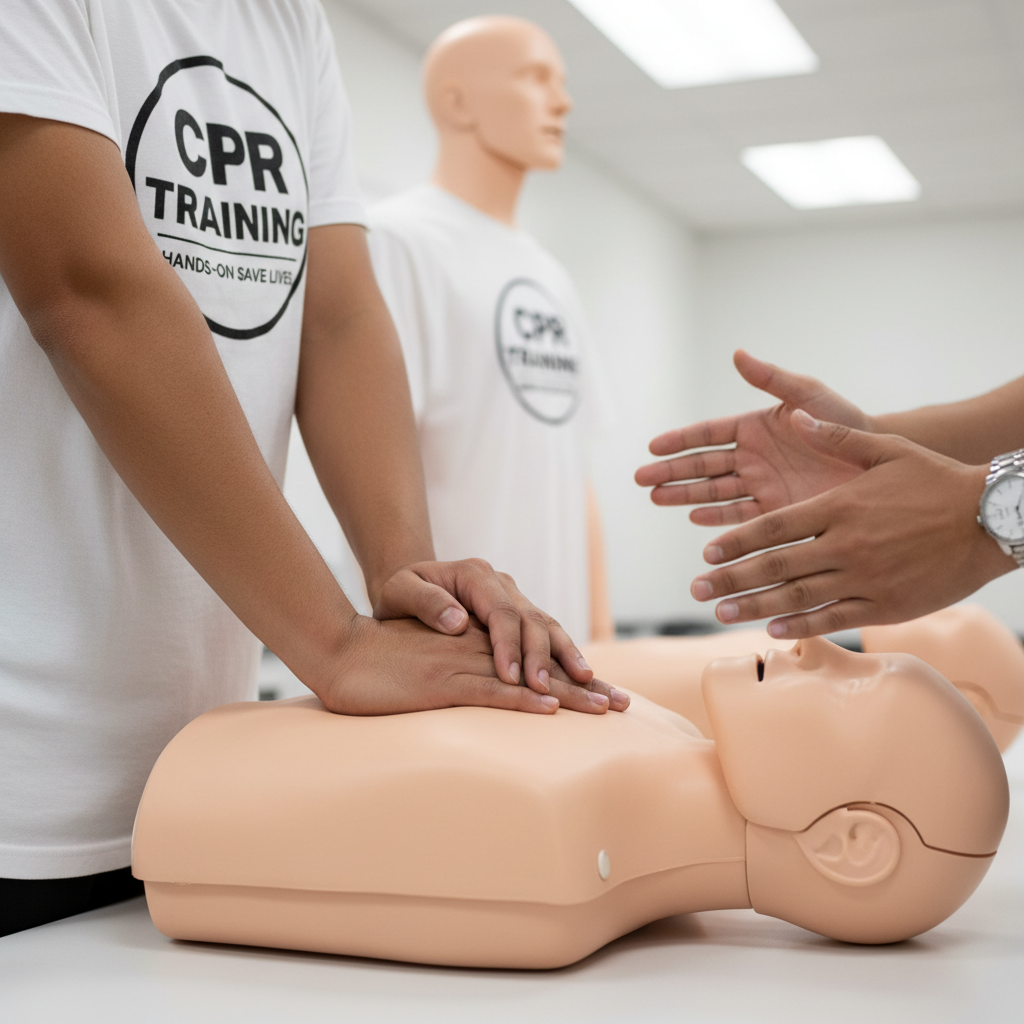
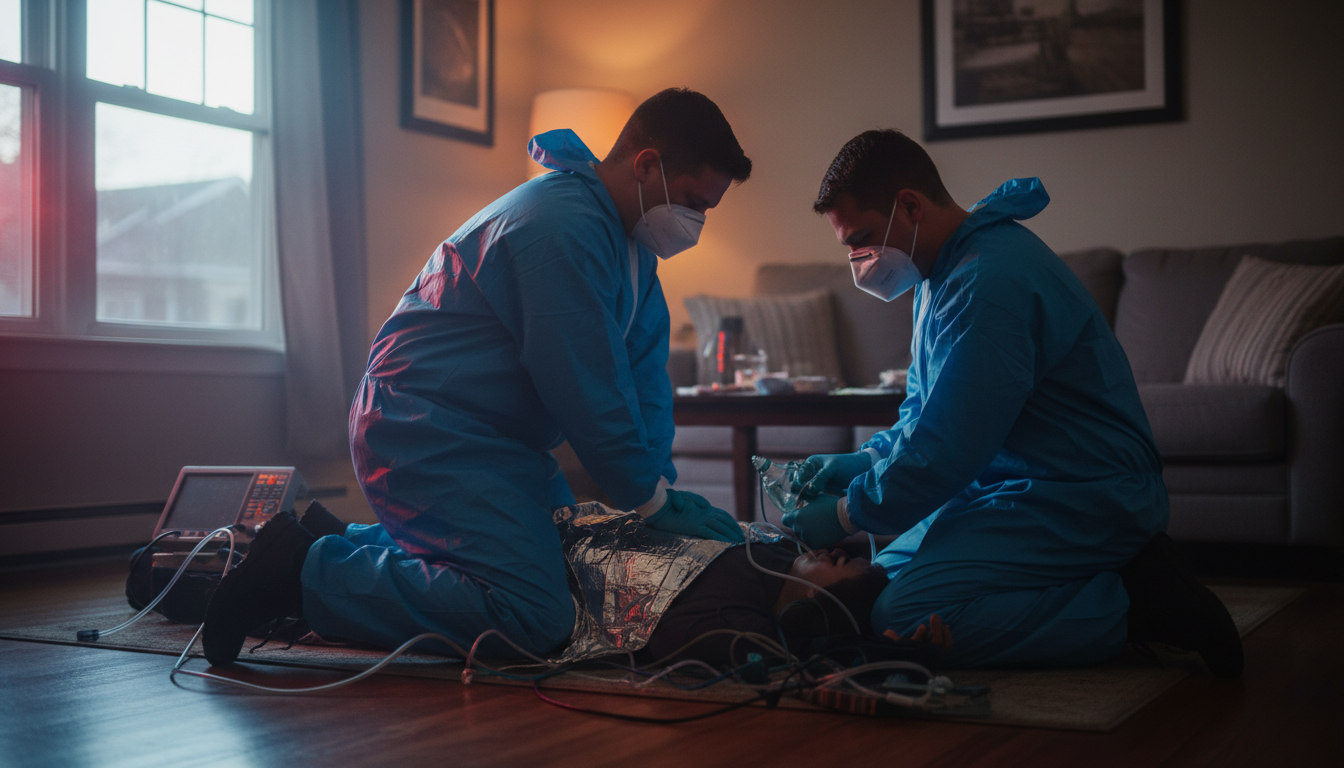
If a heart attack progresses to cardiac arrest, or if someone collapses suddenly, you must act within seconds. Because blood flow to the brain has stopped, the priority is to manually circulate oxygenated blood. First, call 911 immediately. If you are in a public space, point to a specific person and tell them to find an Automated External Defibrillator (AED).
Begin high-quality chest compressions right away. You need to push hard and fast in the center of the chest. Aim for a rate of 100 to 120 compressions per minute, which matches the tempo of the song "Stayin' Alive." You must push at least two inches deep for adults, allowing the chest to recoil fully between each beat. This physical exertion is why hands-on practice is essential. At T.A.T.E Institute, our CPR and first aid courses in Trenton emphasize these repetitions. We focus on building the muscle memory required to maintain this pace until professional help arrives.
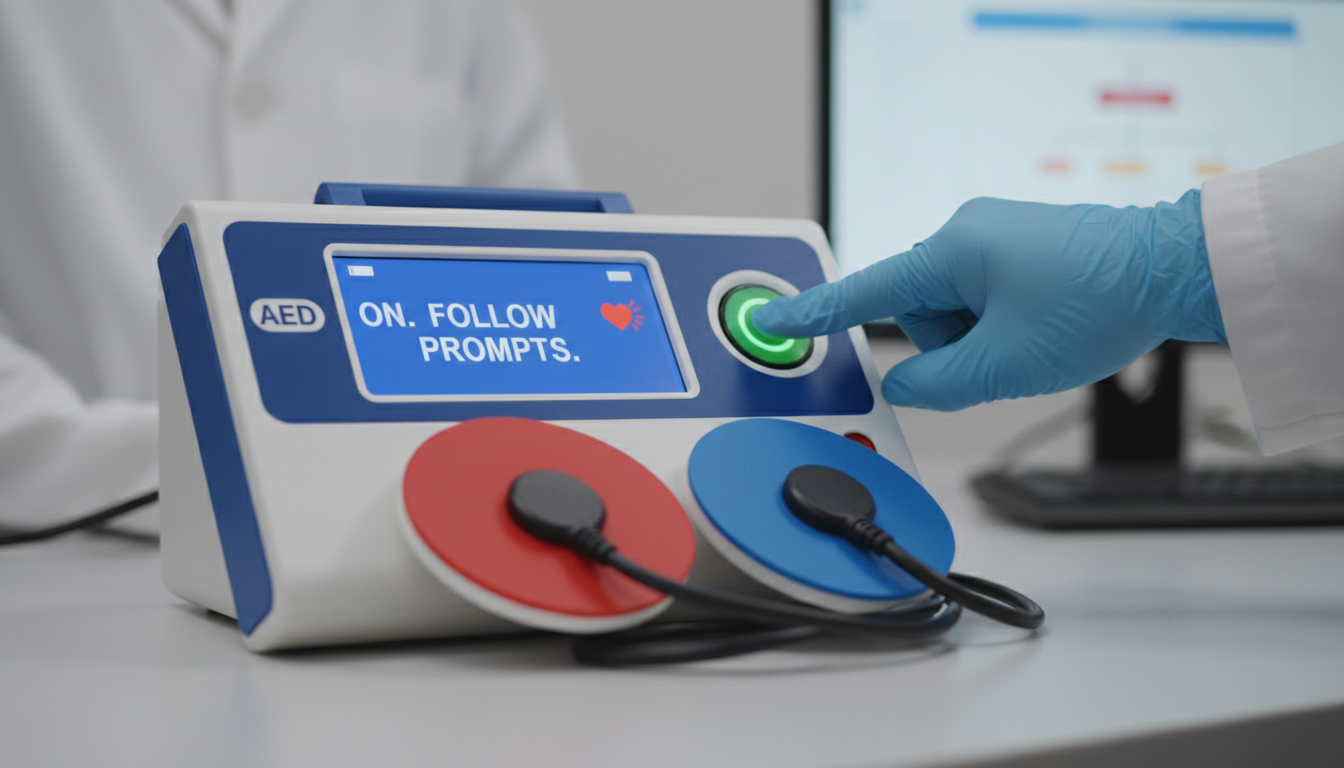
Once the AED is present, turn it on and follow the voice prompts. The device is designed to analyze the heart's rhythm and deliver a shock only if necessary. In the context of cardiac arrest vs heart attack, the AED is the only tool that can restart a heart experiencing an electrical failure. Combining rapid compressions with early defibrillation significantly increases the chances of survival in our South Carolina community.
Is Cardiac Arrest Painful?
A common question regarding cardiac arrest vs heart attack is whether the victim experiences physical suffering. During a heart attack, the patient is conscious and often describes a crushing sensation or intense pressure. The heart muscle is struggling for oxygen, and the brain processes these distress signals.
In contrast, sudden cardiac arrest triggers an instant loss of consciousness. When the heart stops pumping, blood flow to the brain ceases immediately. The individual loses awareness within seconds, meaning they do not experience pain during the event itself. This total lack of response is a primary focus in our certified Basic Life Support training. While the victim is not in pain, their body is in a critical state that requires immediate resuscitation to prevent permanent brain damage.
Cardiac Arrest vs Stroke and Heart Failure
Distinguishing between cardiac arrest vs heart attack is the first step, but people often conflate these terms with stroke and heart failure. A stroke is essentially a brain attack. While a heart attack involves a blockage in the coronary arteries, a stroke occurs when blood flow to the brain is interrupted by a clot or a ruptured vessel. The primary symptoms involve neurological changes, such as facial drooping or slurred speech, rather than the immediate loss of pulse seen when the heart’s electrical system fails.
Heart failure is also distinct. It is a chronic condition where the heart muscle weakens over time and fails to pump blood as effectively as it should. Unlike the sudden electrical malfunction of cardiac arrest, heart failure is a progressive disease that results in shortness of breath and fluid retention over months or years. We cover these critical distinctions in our certified Basic Life Support training to ensure rescuers do not misidentify a long term condition for an acute crisis. Developing this expertise through CPR and first aid courses in Trenton prepares you to respond accurately to the specific medical emergency at hand.