South Carolina daycare providers are required to have at least one staff member on-site during all business hours who is certified in pediatric CPR, AED, and First Aid. Obtaining a CPR certification for daycare providers South Carolina involves completing a course that covers infant, child, and adult techniques; notably, free training is often provided through the SC Department of Social Services ABC Quality partnership.
Navigating South Carolina DSS regulations often feels like a moving target for childcare owners. Between managing daily operations and staff turnover, the pressure to stay current with pediatric CPR mandates can be overwhelming. Ensuring your team is prepared for a medical emergency is not just a regulatory hurdle; it is a fundamental pillar of a reputable facility. In this guide, we clarify the specific requirements for South Carolina providers in 2025. You will learn the nuances of DSS regulations, the elevated standards of the ABC Quality program, and why adult-only certification is insufficient for your staff. We also explain the hands-on training mandate that renders online-only courses invalid for licensing. For providers in the CSRA region, this breakdown offers a practical roadmap to maintaining compliance while ensuring the highest level of safety for the children in your care.
The Core South Carolina DSS Regulations for Childcare Centers
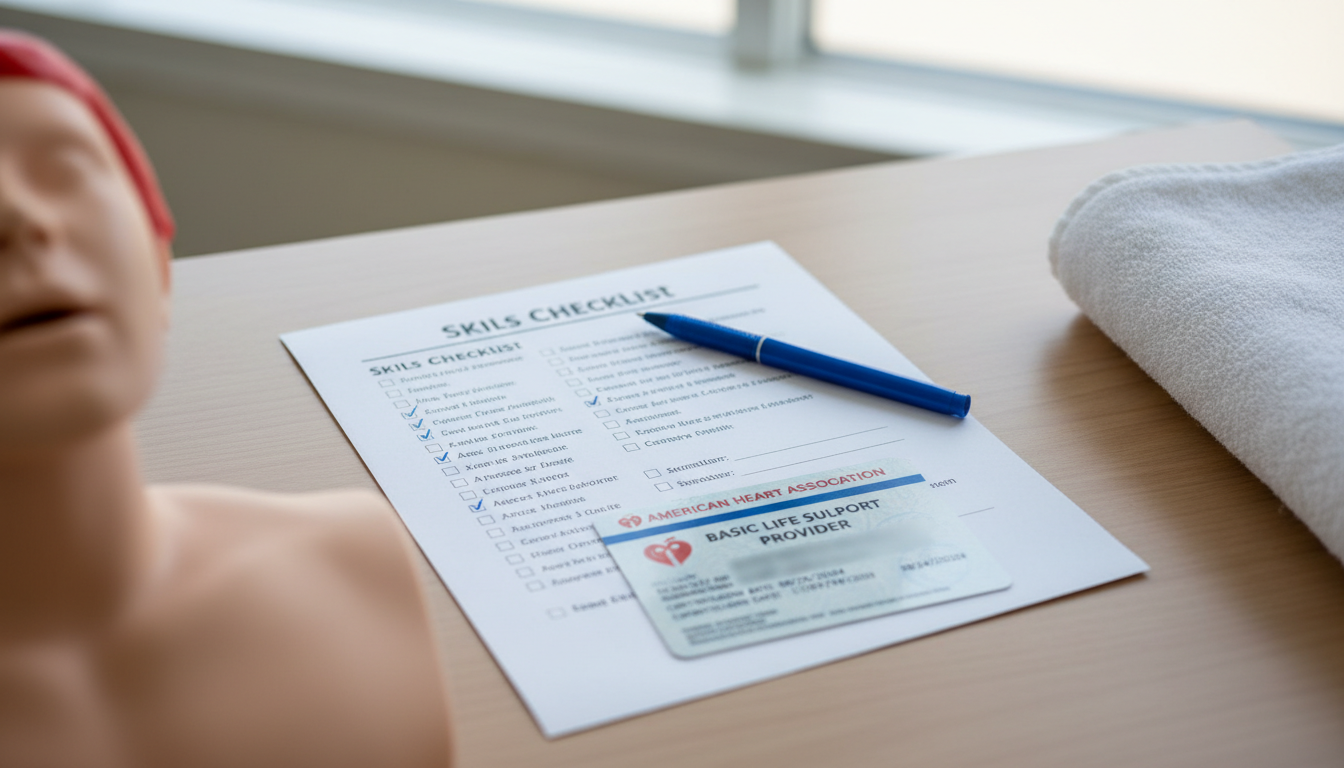
The South Carolina Department of Social Services (SC DSS), specifically the Division of Early Care and Education, serves as the primary regulatory body for childcare programs throughout the state. Their mission is to ensure that every environment where children are cared for is safe, supervised, and equipped to handle medical crises. This oversight ensures that providers meet specific health and safety benchmarks before they can legally operate.
A fundamental pillar of DSS licensing is the requirement for emergency preparedness. Under state regulations, every licensed childcare center must have at least one staff member on-site during all operating hours who holds a valid certificate in pediatric CPR and basic first aid. This rule applies to both full-time operations and after-school programs. While registered family childcare homes are generally the only facilities exempt from the strict requirement to have a certified staff member on-site at all times, maintaining these credentials remains a vital safety standard for all caregivers.
Navigating SC daycare CPR requirements can be complex, especially when preparing for a licensing audit. T.A.T.E Institute serves as a dedicated local resource for providers in Trenton, Aiken, and the surrounding CSRA region, providing the certified, hands-on instruction necessary to meet these state mandates. As a local training provider, we focus on the specific pediatric techniques required by South Carolina regulators, ensuring your facility is not just compliant on paper, but truly prepared for a cardiac or respiratory emergency. Securing the proper CPR certification for daycare providers South Carolina requires is the first step in maintaining your license and protecting the children in your care.
ABC Quality Program: Why All Staff May Need Certification
While DSS mandates a baseline of one certified individual on-site, many South Carolina providers choose to aim for the higher standards of the ABC Quality Program. This voluntary rating and improvement system is the state's primary initiative to boost the caliber of early childhood education. For facilities with Active or Pending ABC Quality status, the requirements for CPR certification for daycare providers South Carolina change from a minimum presence to a comprehensive mandate. In these programs, every staff member must be certified in Pediatric First Aid, CPR, and AED.
Participating in ABC Quality is often a strategic move for center owners. It enhances the facility's reputation with parents and is frequently a prerequisite for securing increased funding and state vouchers. At T.A.T.E Institute, we specialize in helping local centers transition from simple licensing compliance to high-quality status. Our Heartsaver courses provide the rigorous, hands-on training needed to ensure your entire team is prepared, not just a single supervisor. Moving toward ABC Quality status demonstrates a proactive commitment to child safety that resonates with communities. By certifying your full roster, you eliminate the risk of coverage gaps during shift changes or staff absences; this ensures every child is always under the care of a trained rescuer.
Understanding the Right Course: Pediatric vs. Adult CPR
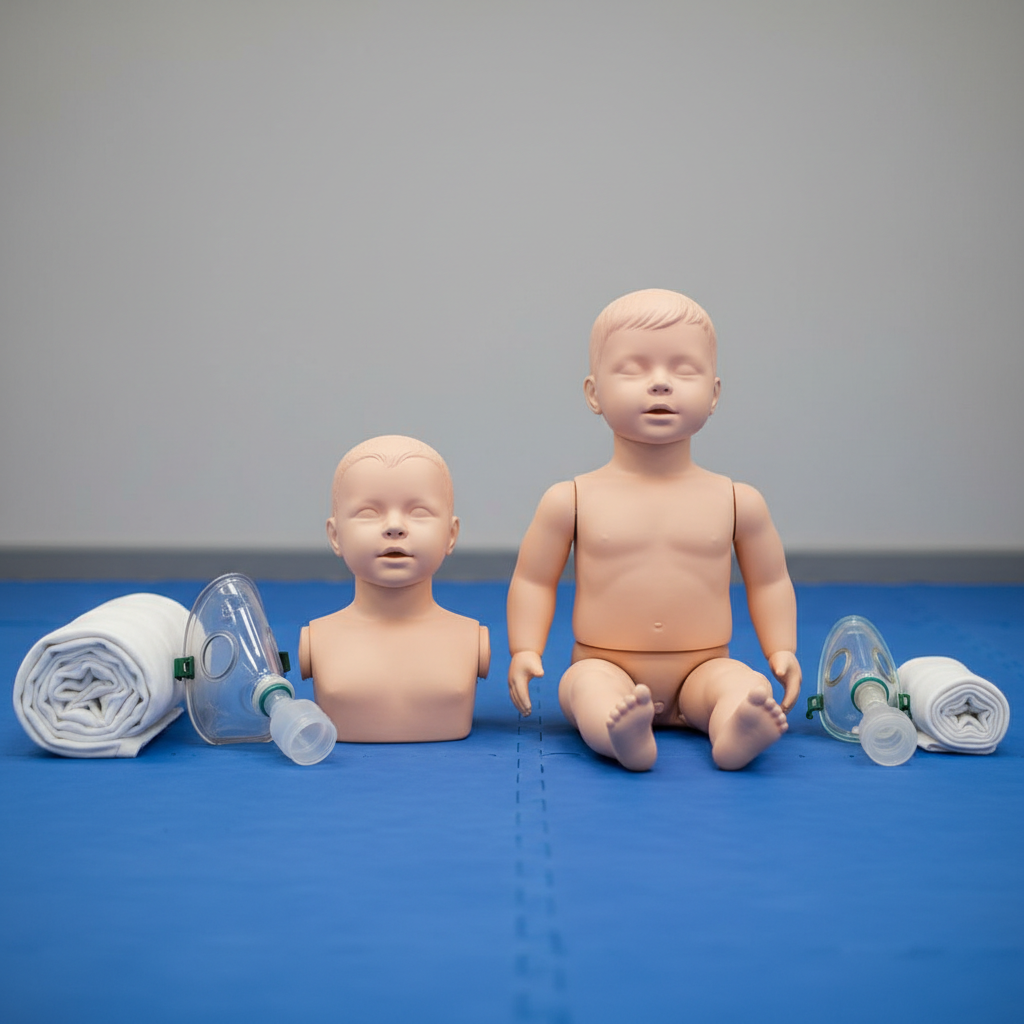
Selecting the correct curriculum is vital for meeting DSS standards. South Carolina regulators mandate that training must cover Adult, Child, and Infant (Pediatric) CPR along with Automated External Defibrillator (AED) operation. A common point of confusion for providers is the physical difference between adult and pediatric techniques. Infant CPR requires a specialized approach; instead of using the heel of the hand, rescuers must use two fingers in the center of the chest to compress approximately 1.5 inches deep. This precision protects the child’s smaller skeletal structure while maintaining blood flow to the brain during a cardiac event.
At T.A.T.E Institute, we guide providers through the nuances between Heartsaver courses and Basic Life Support (BLS). For most childcare staff, the Heartsaver Pediatric First Aid CPR AED course is the standard. It is designed for lay rescuers who need a completion card for regulatory compliance. BLS is a more advanced certification typically reserved for healthcare professionals or staff working in medically fragile childcare environments. BLS includes more complex team dynamics and advanced airway management that go beyond the scope of general daycare duties.
Understanding these distinctions ensures you invest in the right certified, hands-on instruction for your specific role. While both courses cover life-saving skills, Heartsaver focuses on the immediate response needed in a typical classroom or playground setting. If you are unsure which level your facility requires to maintain your CPR certification for daycare providers South Carolina, you can contact us to schedule training or discuss your specific licensing needs. Mastering these pediatric-specific skills is what truly prepares you to respond when every second counts.
The Hands-on Training Mandate: Why Online-Only Certification Isn't Enough
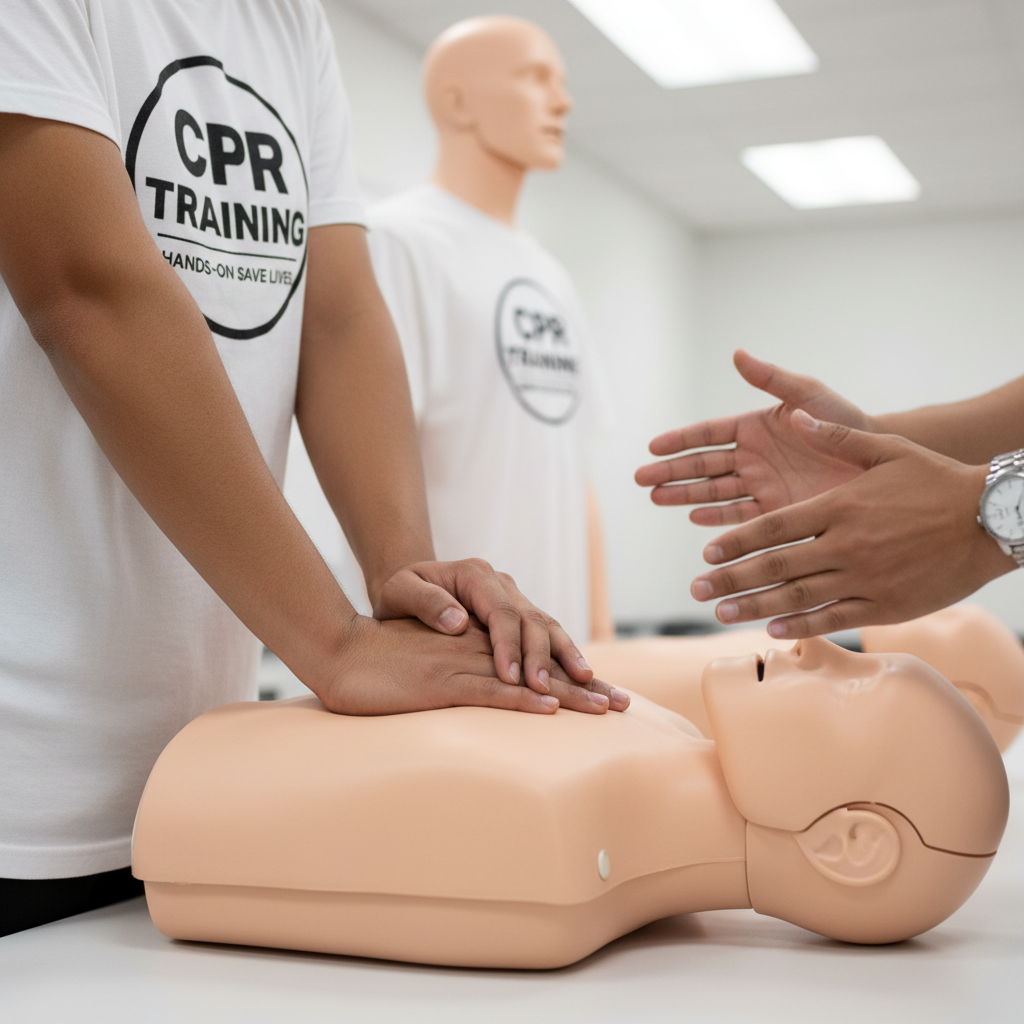
Searching for online CPR certification often leads to websites offering instant certificates without a practical exam. While these might seem convenient, the South Carolina DSS and most reputable employers do not recognize certificates that lack a verified, in-person skills assessment. A certificate obtained without touching a manikin is typically insufficient for licensing compliance.
To bridge the gap between convenience and quality, T.A.T.E Institute utilizes a blended learning model. This approach allows staff to complete the theoretical portion of their Heartsaver courses online through the American Heart Association portal. Once the digital coursework is finished, participants visit our facility for a focused skills check. This ensures that every CPR certification for daycare providers South Carolina requires is backed by demonstrated competence.
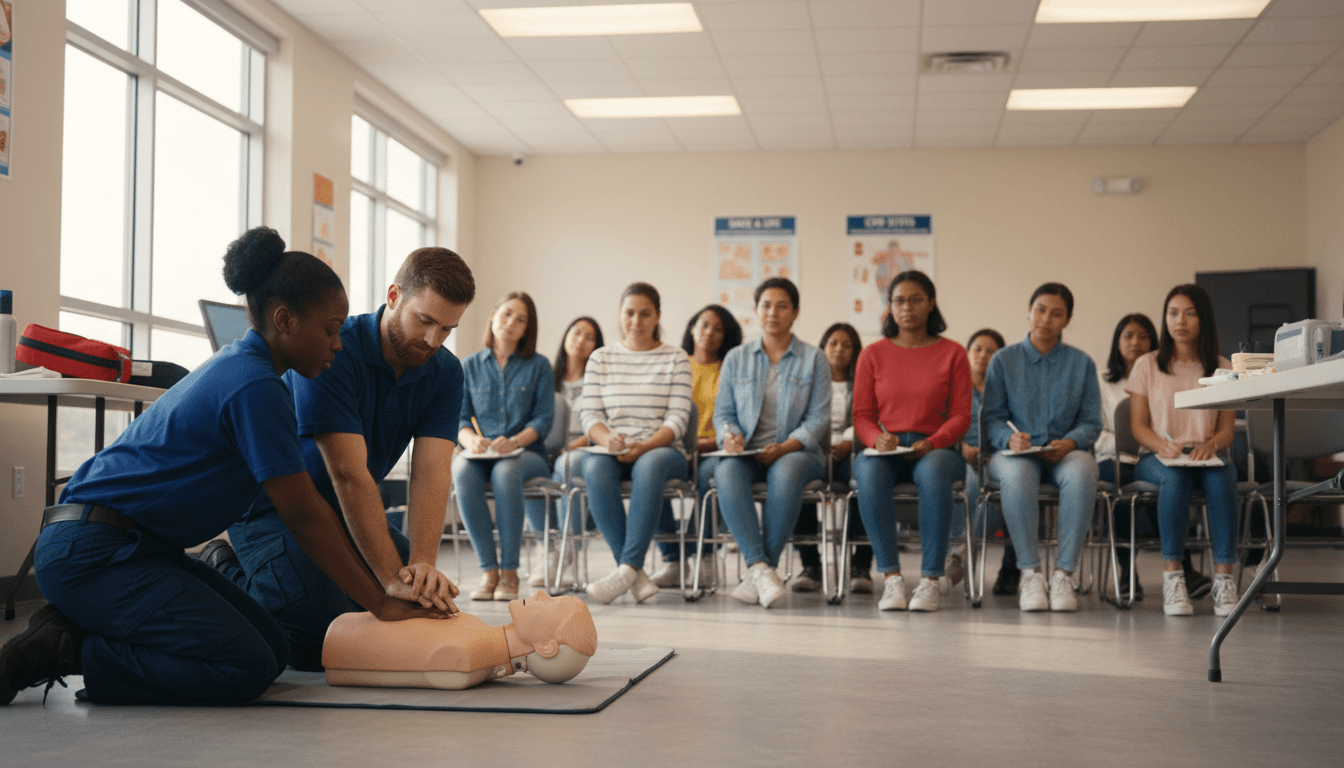
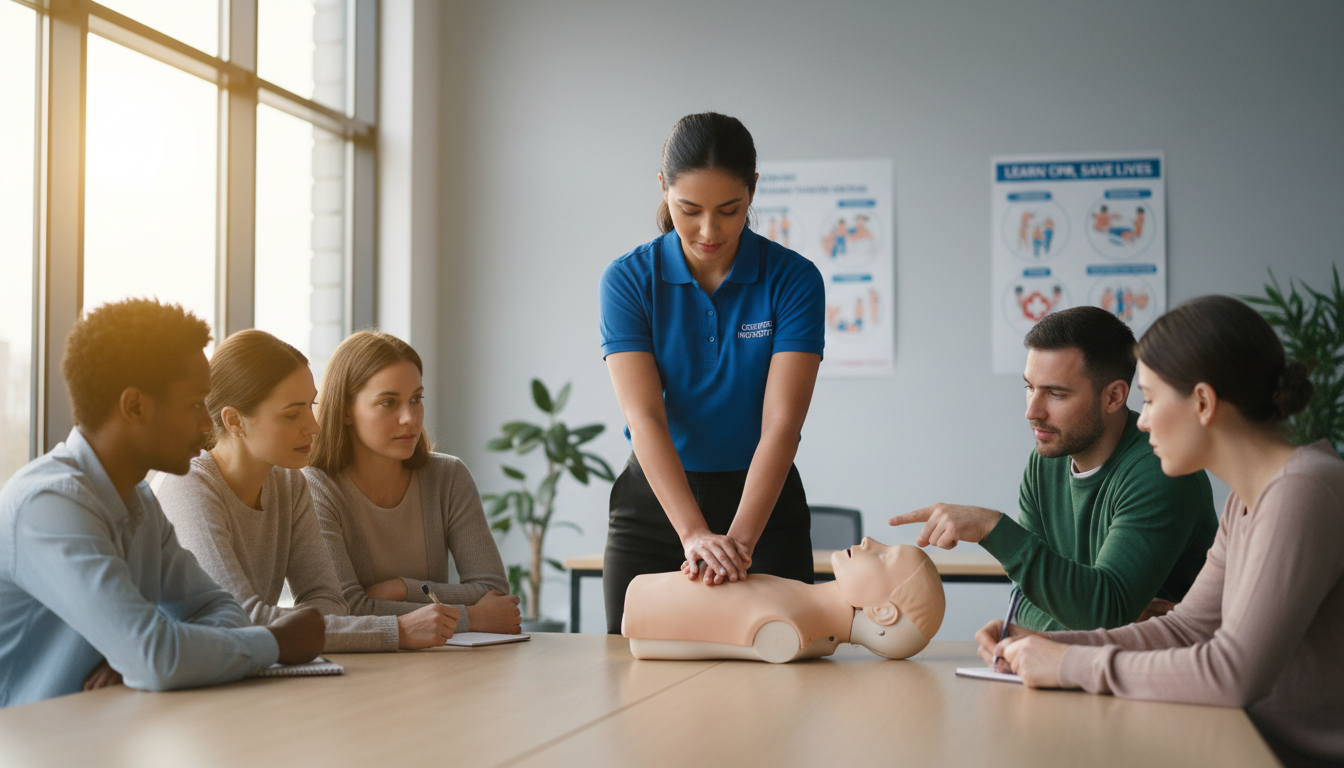
In a high-pressure emergency involving a choking or unconscious child, muscle memory is your most valuable asset. Reading about chest compressions is fundamentally different from feeling the resistance of a manikin or practicing the rhythm of life-saving breaths. At T.A.T.E Institute, we provide the certified, hands-on instruction needed to build that confidence. You can contact us to schedule training to ensure your team has the physical skills required to act decisively rather than hesitating during a crisis.
Clock Hours and Ongoing Requirements for South Carolina Providers
South Carolina DSS mandates that childcare staff complete 15 clock hours of professional development training annually. A critical nuance for providers to understand is that CPR and First Aid training are categorized as mandatory prerequisites rather than elective professional development. Consequently, these hours typically do not count toward your 15-hour yearly requirement; they are viewed as a separate baseline for safety.
Maintaining a current CPR certification for daycare providers South Carolina requires staying on top of the standard two-year renewal cycle. Letting a certification lapse even by a single day can result in licensing citations during a DSS inspection. To streamline this process, providers should utilize SC Endeavors, the professional development registry formerly known as T.E.A.C.H. Early Childhood. This platform serves as the official transcript for your credentials. T.A.T.E Institute provides the certified, hands-on instruction needed to keep your record current and verified within the state system. You can contact us to schedule training well before your expiration date to ensure continuous, uninterrupted compliance for your facility.
Local CPR Training in Trenton and the CSRA Region
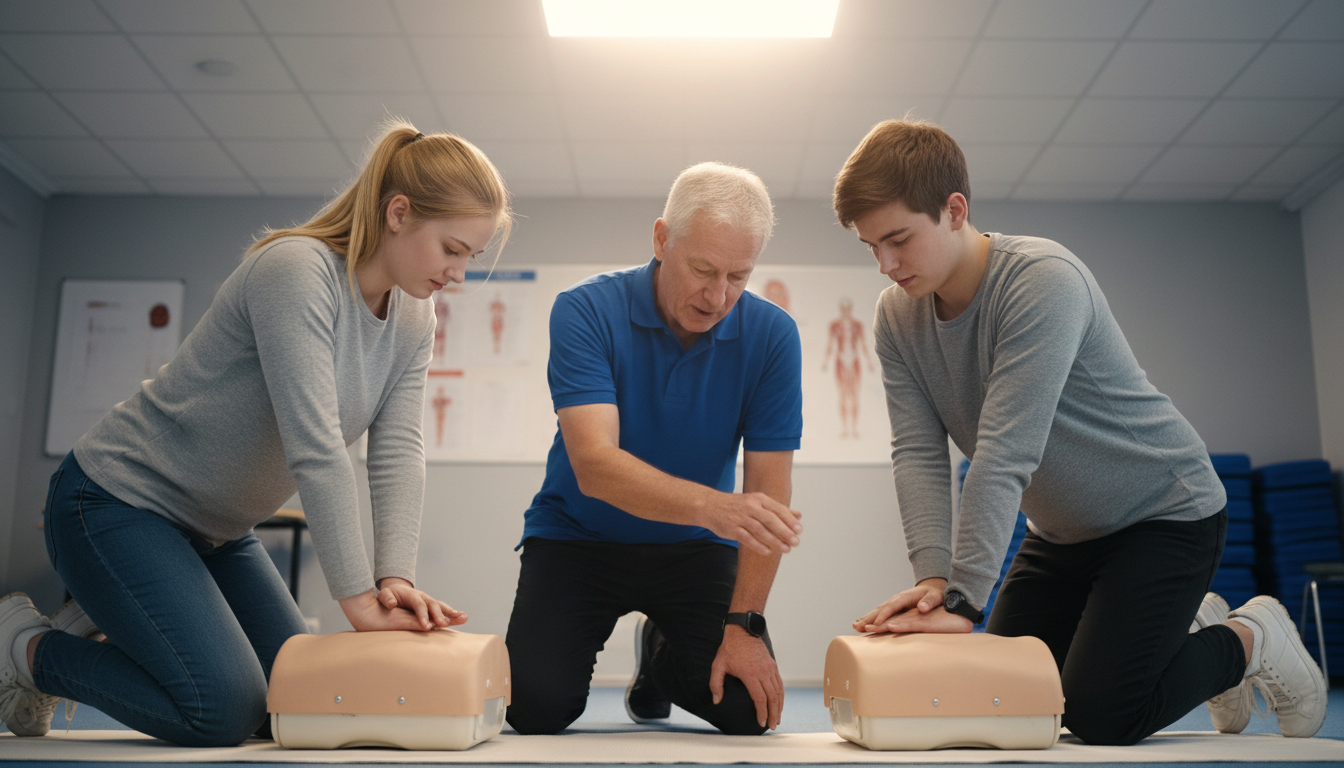
Accessing high-quality training should not require a long commute to a major city. T.A.T.E Institute provides specialized pediatric CPR certification Trenton SC childcare workers can rely on for both compliance and skill. Our local focus means we understand the specific expectations of South Carolina licensing inspectors in the Trenton, Aiken, and Edgefield areas. We offer flexible training options to fit the busy schedules of daycare owners; this includes both structured classroom sessions and mobile training where we bring the equipment directly to your facility.
Choosing a local partner for your CPR certification for daycare providers South Carolina requirements ensures that your training is relevant to our state's specific guidelines. Our Heartsaver courses are designed to empower your team with the confidence to act during a crisis on the playground or in the classroom. By providing certified, hands-on instruction right here in the CSRA, we help centers maintain their licensing status without the logistical headaches of long-distance travel. You can contact us to schedule training at your convenience, ensuring your staff remains fully prepared to protect the children in their care.
Frequently Asked Questions About Childcare CPR in SC
Clarifying the specific legal and administrative details of state regulations helps providers maintain a smooth operation in the CSRA. The following answers address the most common inquiries we receive at T.A.T.E Institute regarding CPR certification for daycare providers South Carolina and general DSS oversight.
1. How many children can I watch without a license in South Carolina? South Carolina law allows individuals to care for up to two children from different families, plus their own children, without a license or registration. If you care for more than two children who are not related to you for more than four hours a day or more than two days a week, you must register as a Family Childcare Home or apply for a license as a Group Childcare Home or Center with the DSS.
2. Do private babysitters or nannies need a certificate? State law does not mandate certification for casual, private babysitters. However, any individual working in a DSS regulated environment is considered a caregiver and must adhere to safety protocols. For nannies in Trenton and the surrounding areas, obtaining certified, hands-on instruction is a vital professional standard that reassures families of your expertise and preparedness for emergencies like choking or drowning.
3. How do I get my certification on my SC Endeavors transcript? Log into your SC Endeavors account and upload a digital copy or photo of your signed CPR and First Aid card. Because Heartsaver courses are mandatory prerequisites for licensing rather than elective professional development, they will appear as verified credentials on your transcript but usually do not count toward your 15 annual clock hours of training.
4. Does DSS accept online-only CPR cards? No, DSS requirements specifically include a physical skills assessment to ensure you can perform compressions and ventilation correctly. You can contact us to schedule training for a blended or fully in-person session that includes the necessary hands-on manikin practice to meet state licensing standards.
Staying compliant with the latest South Carolina DSS regulations is essential for every daycare provider. By following these 2025 guidelines, you ensure that your facility remains a safe environment for every child in your care. If you find the certification process overwhelming or simply want expert guidance to ensure your team meets every requirement, we are here to support you. You can explore our upcoming Courses to find a training schedule that fits your needs and provides the hands-on experience necessary for peace of mind.