Healthcare providers in South Carolina require Basic Life Support (BLS) training because it covers more comprehensive life-saving techniques than standard CPR courses. Earning a professional BLS certification for healthcare providers South Carolina ensures medical workers meet specific licensing requirements; it provides the advanced clinical skills necessary for emergency response.
Navigating the landscape of South Carolina medical certifications can feel like a full time job, especially when you are balancing patient care with the pressure of strict compliance deadlines. Many healthcare providers find themselves unsure if a standard CPR course satisfies the rigorous requirements of the South Carolina Board of Nursing or their specific hospital system. This confusion often leads to wasted time and unnecessary stress during the renewal process. Understanding the precise distinctions between Basic Life Support and standard CPR is essential for maintaining your professional credentials and ensuring the highest level of emergency response. In this guide, we will examine the fundamental differences between these certifications, review local regulatory standards, and address common questions regarding the difficulty of the BLS curriculum. You will also discover the most efficient way to secure your BLS certification right here in Trenton.
Understanding the Fundamental Differences Between BLS and Standard CPR
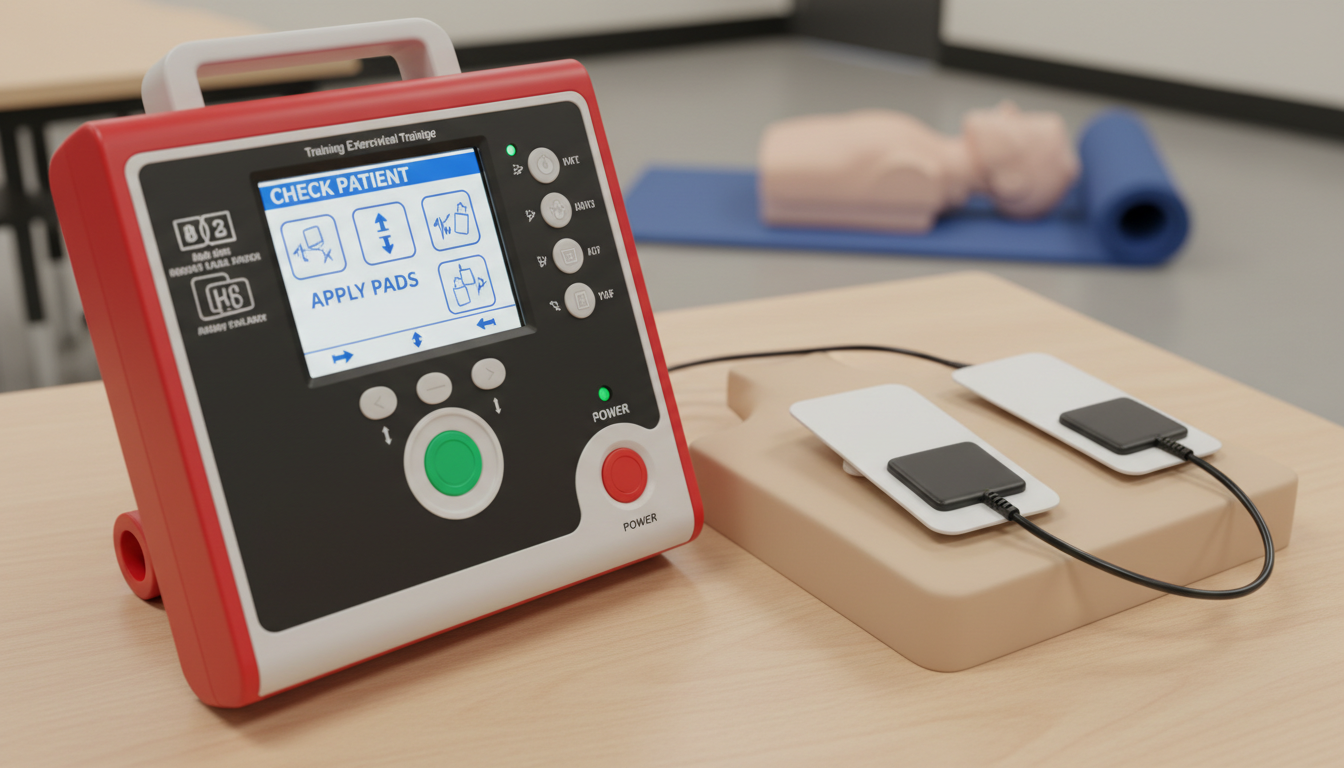
In common conversation, people use the term CPR to describe any form of resuscitation. However, for those seeking certified, hands-on instruction , it is essential to distinguish between Standard CPR and Basic Life Support (BLS). While both aim to sustain life during cardiac arrest, the depth of training and the intended audience differ significantly.
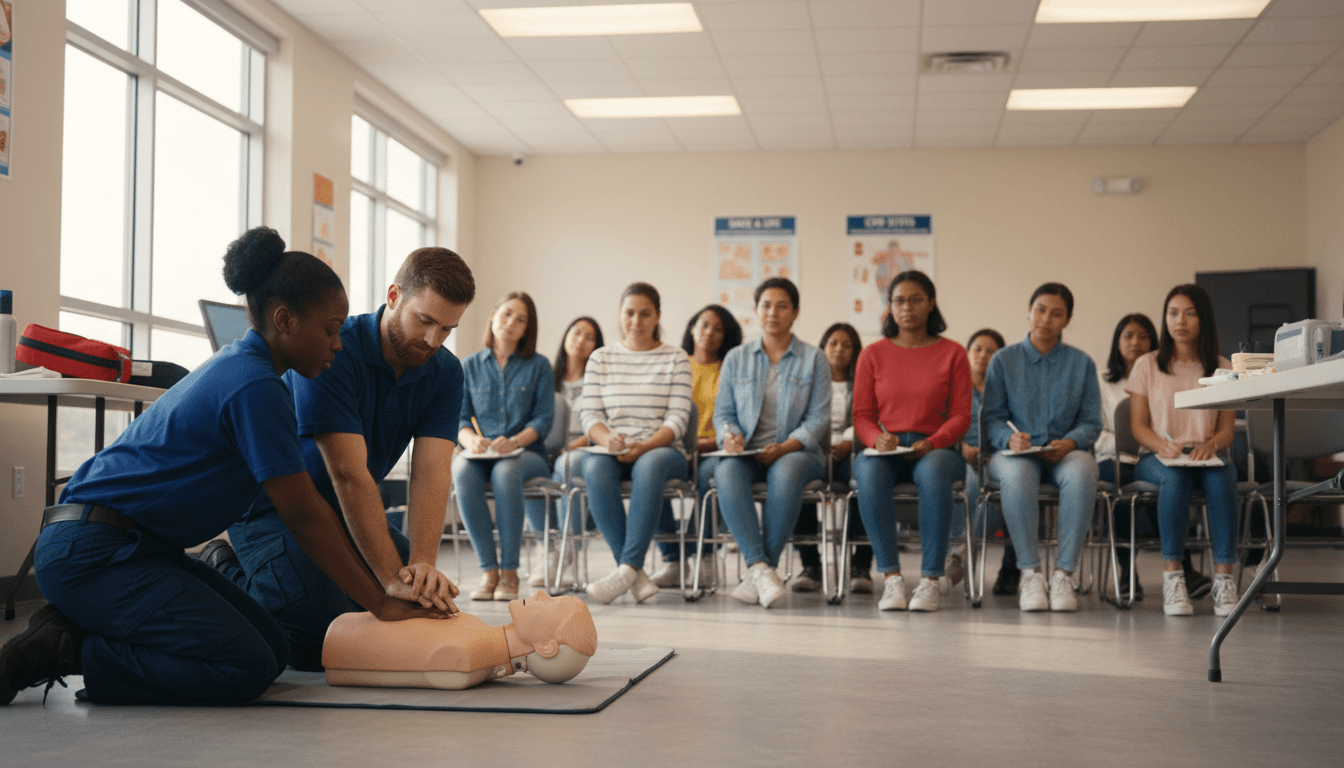
Standard CPR, often branded as Heartsaver, is designed for the general public, also known as lay rescuers. This training provides the foundational skills necessary to recognize cardiac arrest, perform chest compressions, and deliver rescue breaths until professional help arrives. It is the gold standard for teachers, coaches, and office safety wardens who need to act in an emergency but do not work in a clinical environment.
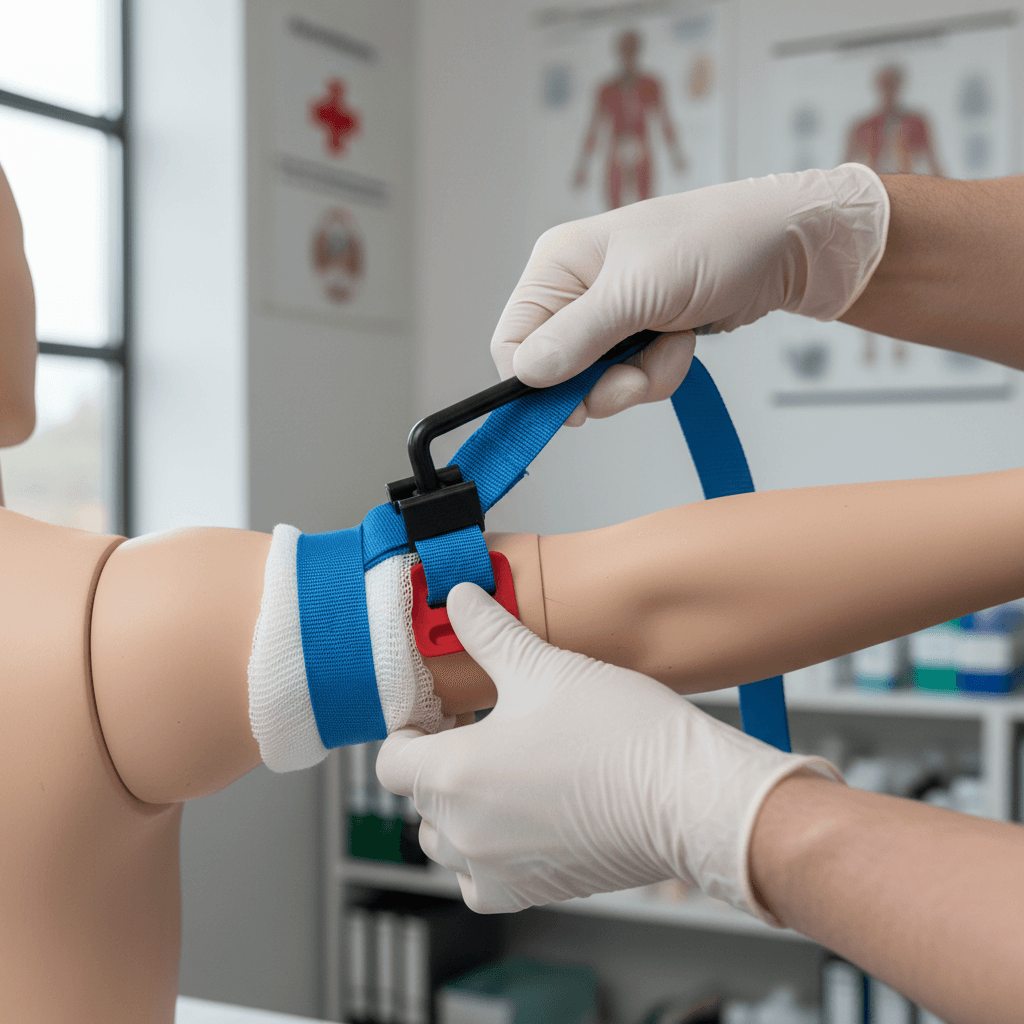
Conversely, BLS is a higher level of medical training tailored for individuals in the medical field. The BLS certification for healthcare providers South Carolina professionals require goes beyond simple compressions. The curriculum introduces complex skills such as:
The use of a Bag Valve Mask (BVM) for advanced ventilation.
Multi-rescuer team dynamics to coordinate life-saving efforts efficiently in a clinical setting.
More frequent and precise pulse and breathing assessments.
Advanced airway management techniques.
Understanding these distinctions is vital because CPR is frequently used as a catch-all term. While a BLS course includes every component of a standard CPR class, a standard class does not meet the rigorous requirements of a BLS certification. For healthcare professionals, the distinction is not just academic; it is a matter of professional compliance and clinical readiness.
South Carolina Board of Nursing and Healthcare Certification Requirements
In South Carolina, the choice between certification levels is often dictated by administrative policy and professional liability rather than a single state law. The South Carolina Board of Nursing provides the framework for professional practice for Registered Nurses (RNs) and Licensed Practical Nurses (LPNs), but it does not strictly list a specific brand of resuscitation training as a universal condition for license renewal. Instead, the Board expects licensees to maintain the specific competencies required for their specific clinical environment. For the vast majority of medical professionals in our state, this competency is defined by the rigorous standards of a Basic Life Support course.
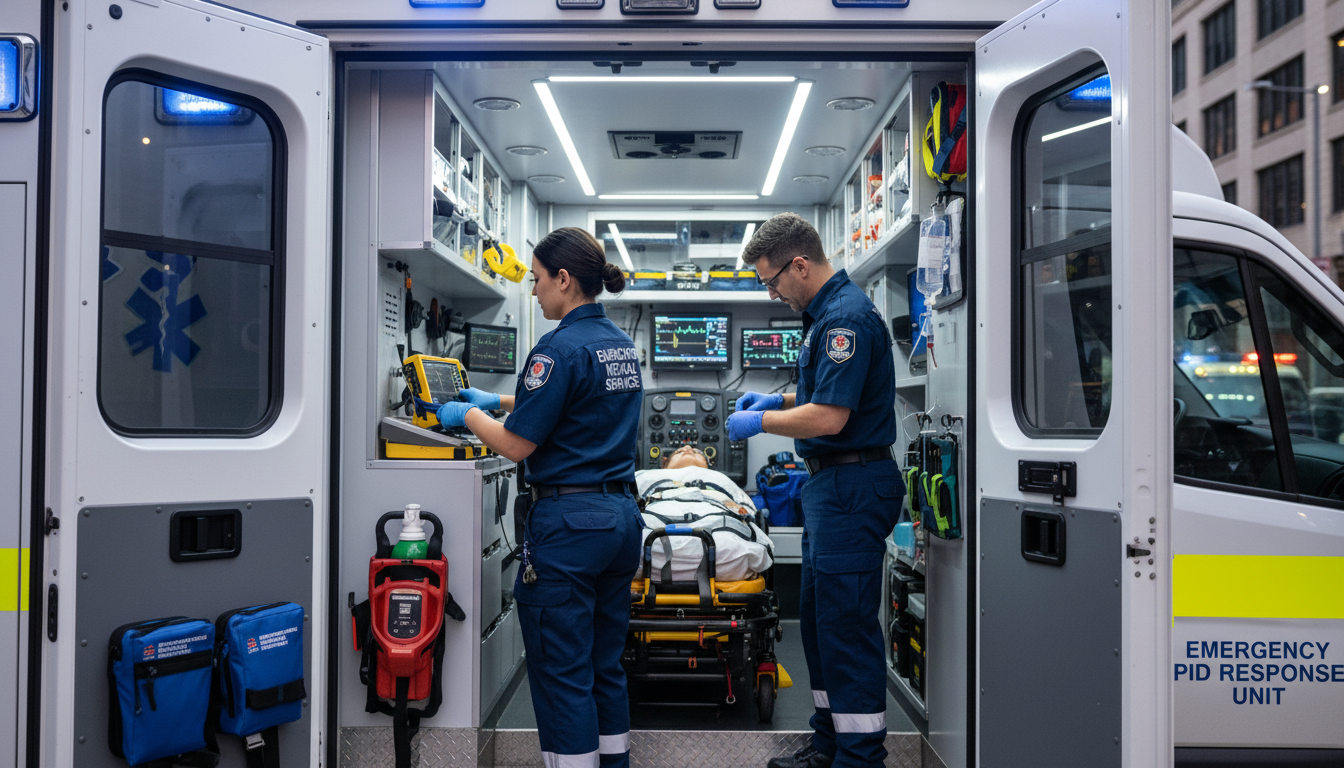
If you are employed by major health systems such as Prisma Health or the Medical University of South Carolina (MUSC), or even smaller private practices in Trenton, a standard Heartsaver or lay-person CPR card is rarely sufficient. These institutions require BLS certification for healthcare providers South Carolina professionals must maintain to stay compliant with hospital bylaws. This requirement extends to RNs, LPNs, and CNAs alike, as clinical environments demand the use of advanced equipment and team-based resuscitation protocols that standard classes simply do not cover.
For nursing students or CNAs preparing to enter the workforce in the Central Savannah River Area, obtaining certified, hands-on instruction in BLS is often a non-negotiable prerequisite for clinical rotations or hiring. Most South Carolina hospitals specifically mandate a healthcare provider level certification that includes the use of bag valve masks and multi-rescuer coordination. Relying on a standard CPR certificate in these settings can lead to delays in employment or even a failure to meet the professional standards of care expected in a clinical crisis.
While the Board of Nursing sets the professional stage, the specific demands of South Carolina's healthcare employers make BLS the functional gold standard. Choosing the right level of training ensures that you meet both the technical requirements of your employer and the ethical requirements of patient safety.
Key Components of BLS Certification for Healthcare Providers
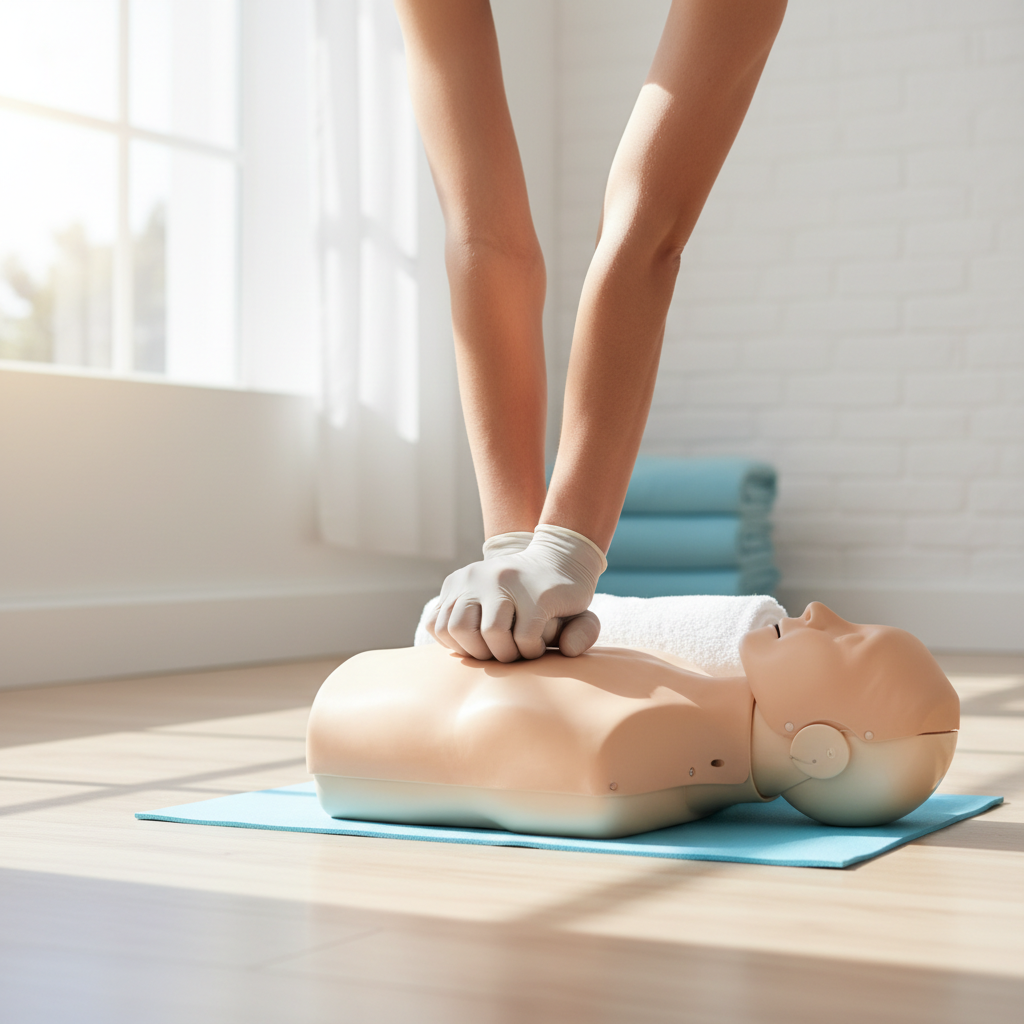
The curriculum for a Basic Life Support course is built on the science of high-quality cardiopulmonary resuscitation. Unlike a lay-person course that might focus on simplified techniques, BLS requires mastery of specific metrics: chest compressions must reach a depth of at least two inches for adults, maintain a rate of 100 to 120 beats per minute, and allow for full chest recoil between each pump. These technical details ensure that blood flow to the brain and heart is maximized during a cardiac event.
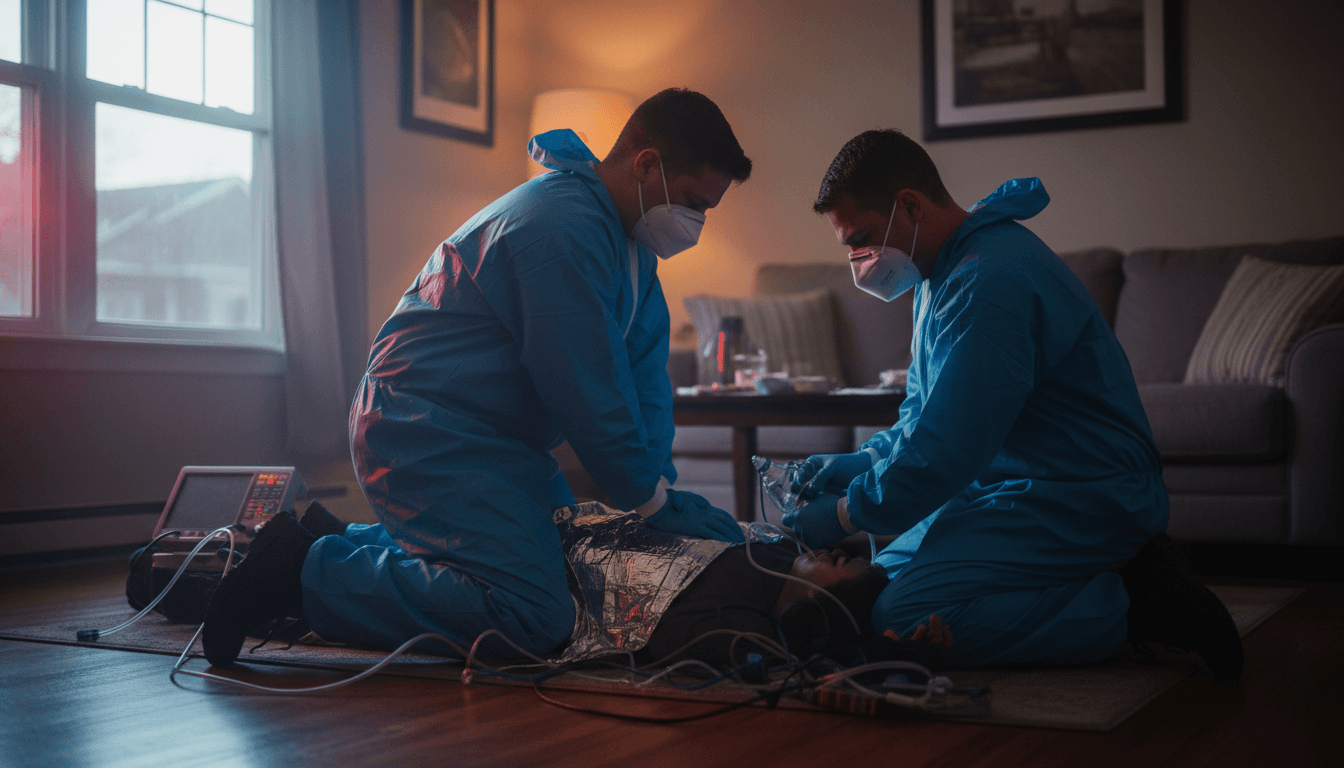
A significant portion of the training focuses on multi-rescuer team coordination. While a bystander on a Trenton sidewalk might act alone, healthcare professionals in a clinic or hospital work in groups. BLS training teaches students how to integrate Automated External Defibrillator (AED) operation into a team flow, where one person manages the airway with a Bag Valve Mask (BVM) while another performs compressions. This team-based approach reduces rescuer fatigue and minimizes interruptions in life-saving care, which is critical in a high-stakes clinical environment.
Furthermore, obtaining a BLS certification for healthcare providers South Carolina professionals need involves learning specialized techniques for adults, children, and infants. Healthcare workers in diverse practice areas, from pediatric offices in Edgefield County to geriatric care facilities in the CSRA, must be prepared for patients of all ages. Certified, hands-on instruction ensures that students can transition seamlessly between 1-rescuer and 2-rescuer scenarios, adjusting their compression-to-ventilation ratios and hand placements based on the size and developmental stage of the patient.
Does BLS Certification Count as CPR Certification?
A common point of confusion for students is whether they need to maintain two separate certifications to cover both professional and general requirements. To put it simply, holding a valid BLS card satisfies any requirement for standard CPR. Because Basic Life Support is essentially "CPR plus," it encompasses every foundational skill taught in lay-person classes while adding the advanced protocols needed for clinical environments. If a workplace or volunteer organization asks for a CPR certificate, your BLS credential is universally accepted as a superior qualification.
For individuals seeking a BLS certification for healthcare providers South Carolina institutions trust, this clarity prevents unnecessary spending on overlapping courses. You do not need to attend a Heartsaver or standard CPR class if you are already BLS certified. It is vital to remember that this professional reciprocity only works in one direction. A standard CPR certificate does not count as BLS because it lacks the instruction on multi-rescuer coordination and advanced equipment mastery. When you choose certified, hands-on instruction at the BLS level, you are essentially "future-proofing" your credentials for both medical and non-medical settings.
Is BLS Harder Than Standard CPR?
Prospective students often ask if Basic Life Support training is significantly more difficult than a standard CPR course. While BLS is more comprehensive and requires passing a written exam, it is not designed to be a barrier to entry. Instead, the curriculum is tailored to the medical professional's mindset, focusing on clinical logic and the high stakes of a healthcare environment. The average initial course at T.A.T.E Institute lasts approximately 4.5 hours; this duration allows for repetitive practice and the refinement of skills like bag valve mask ventilation and synchronized team rescues.
The primary difference in difficulty lies in the precision required. While a lay person class might focus on the general rhythm of compressions, a Basic Life Support course demands accuracy in depth, rate, and recoil. At T.A.T.E Institute, our approach to BLS certification for healthcare providers South Carolina professionals seek is rooted in certified, hands-on instruction rather than intimidation. We prioritize mastery through simulation, ensuring that every student in Trenton gains the confidence necessary to lead a resuscitation team. The written exam ensures you understand the underlying science, but the real value is found in the practical drills that prepare you for the split second decisions required in a clinical emergency.
How to Obtain Your BLS Certification

Securing your BLS certification for healthcare providers South Carolina requires finding a training center that balances national curriculum standards with local convenience. Healthcare workers should prioritize programs that offer certified, hands-on instruction over the convenience of purely online courses. While online modules are often used for the didactic portion of the training, a physical skills assessment is mandatory for most hospital and clinical positions. Many employers across Edgefield County and the broader CSRA will not accept certificates that lack a demonstrated, face-to-face skills check.
Choosing a local provider like the T.A.T.E Institute ensures your credentials meet the rigorous expectations of South Carolina health systems. Our training sessions are designed to provide the muscle memory and situational awareness that only in-person practice can offer. By training within your own community, you gain access to instructors who understand the specific needs of regional medical facilities and can provide the direct feedback necessary to master high-quality compressions and team rescue protocols. To schedule a class or discuss group training options for your facility, contact the T.A.T.E Institute to ensure your Basic Life Support certification is fully compliant and ready for the clinical floor.
Understanding the distinction between standard CPR and BLS is vital for your professional standing in South Carolina. While general training provides basic knowledge, healthcare professionals require the technical depth found in BLS certification. Ensuring you have the correct credentials protects your career and your patients. If you want expert help navigating these specific state requirements, feel free to review our Services for available training options. Taking this next step ensures you stay compliant while providing the highest level of care possible.